
With over 1,000 recorded bird species in a single protected area, Manu National Park is not just a great place to go birding—it is widely considered the greatest birding destination on the planet. To put that number in perspective, that is more bird species than the entire United States and Canada combined.
For serious birders, twitchers, and nature photographers, a trip to Manu is a pilgrimage. But what makes this specific corner of the Peruvian Amazon so incredibly diverse, and how can you maximize your chances of adding dozens of "lifers" to your list?
In this complete guide, we break down the science behind Manu's avian diversity, the best habitats to explore, essential gear, and the top birding tours to help you conquer the ultimate Amazonian bird list.
Why Manu is the Ultimate Birding Destination
The secret to Manu’s unparalleled bird diversity lies in its geography. Manu encompasses a massive altitudinal gradient, dropping from the high Andes at over 4,000 meters (13,000 feet) down to the lowland Amazon basin at just 300 meters (1,000 feet).
This dramatic drop in elevation creates a mosaic of distinct microclimates and ecosystems—from puna grasslands and misty cloud forests to foothill jungles and vast lowland rainforests. Each habitat hosts its own unique community of specialized, often endemic, bird species. By traveling through Manu, you are essentially birding across an entire continent's worth of habitats in a single trip.
Birding by Habitat: What You Will See
To truly appreciate Manu's birding, it helps to understand what you will encounter in each distinct ecological zone.
1. High Andes and Cloud Forest (2,500m - 3,500m)
The journey begins in the high Andes. The misty, moss-draped cloud forests are the realm of some of the most spectacular and sought-after birds in South America.
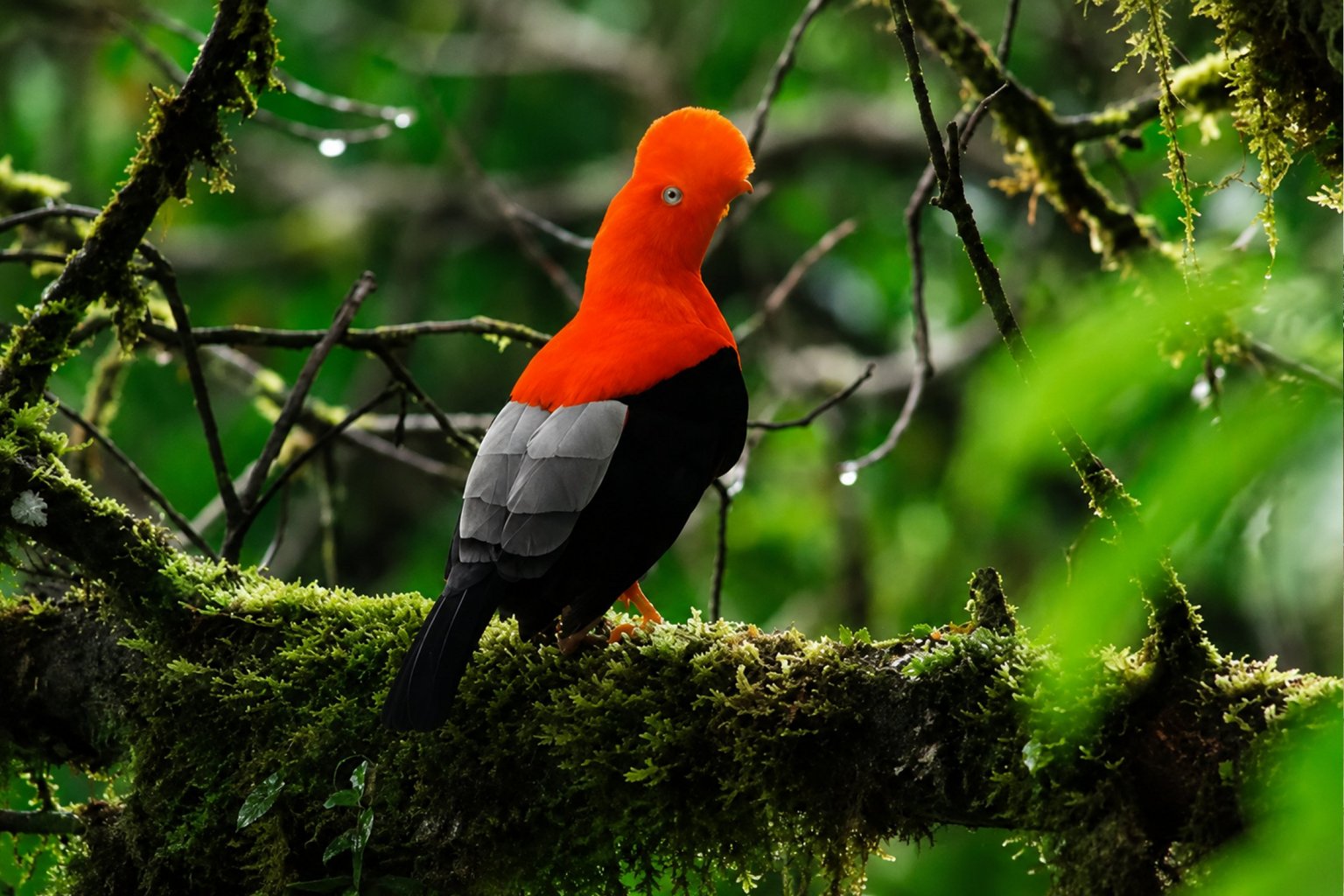
- Star Species: Andean Cock-of-the-Rock (Peru's national bird), Resplendent Quetzal, Sword-billed Hummingbird, Andean Condor, and Mountain Trogons.
- The Experience: Early morning hikes to traditional leks (display grounds) to watch the Cock-of-the-Rock perform its vibrant mating dance.
2. Andes Foothills and the Manu Road (1,000m - 2,500m)
The legendary Manu Road is a world-famous birding route. As you descend, the forest becomes denser and the species change rapidly. This zone is a hotspot for tanagers, antbirds, and woodpeckers.
- Star Species: Golden-headed Quetzal, Masked Trogon, Blue-crowned Motmot, Long-whiskered Owlet, and dozens of Tanager species.
- The Experience: Walking the trails along the Manu Road, listening to the dawn chorus, and spotting mixed-species foraging flocks.
3. Lowland Amazon Rainforest (300m - 800m)
Once you reach the lowlands, the scale of the birds increases. This is the realm of macaws, raptors, and riverine specialists.
- Star Species: Harpy Eagle, Hoatzin (the prehistoric "stinkbird"), Amazon Kingfisher, Spix's Guan, and massive flocks of Scarlet and Blue-and-Yellow Macaws.
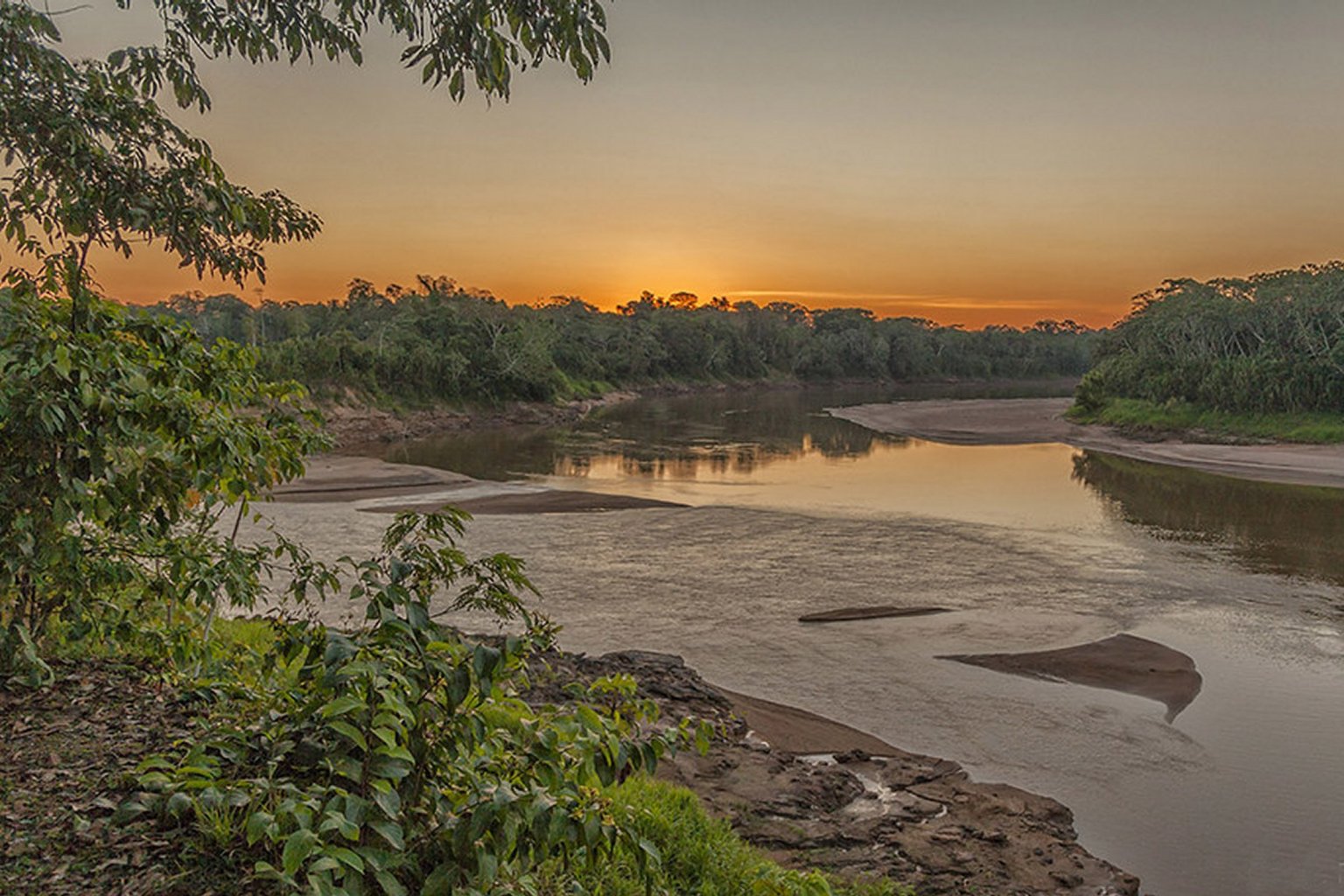
- The Experience: Canoeing down the Madre de Dios River at dawn, visiting the spectacular Macaw Clay Licks, and exploring oxbow lakes.
The Legendary Manu Road: A Birder's Paradise
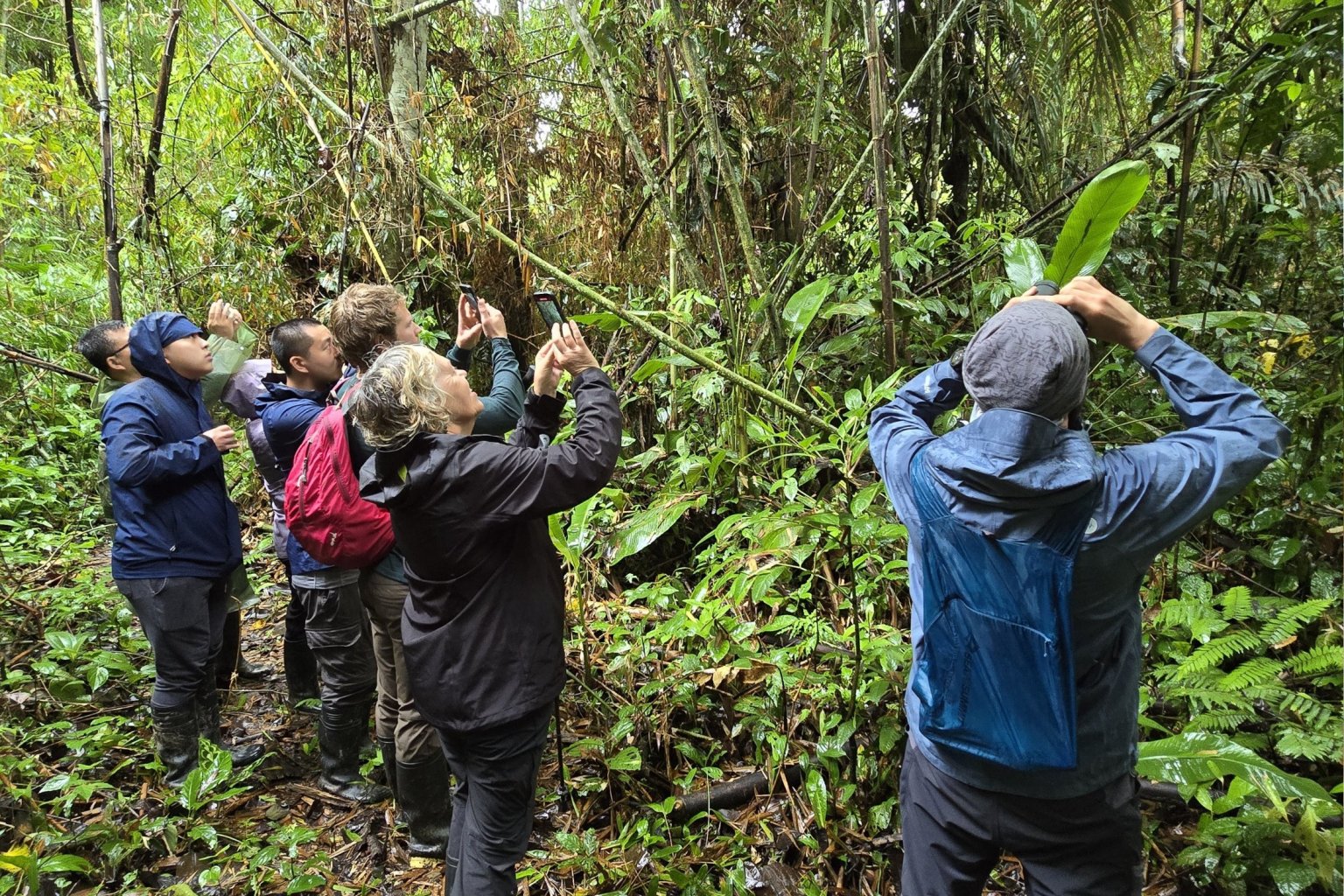
No guide to birding in Manu is complete without mentioning the Manu Road (Carretera a Manu). This single dirt road is responsible for a massive percentage of the park's bird records. Because it traverses the steep altitudinal gradient, birders can access incredibly diverse habitats simply by driving a few kilometers and stopping at various pull-offs and trailheads. It is highly recommended to dedicate at least two full days just to birding this specific route.
Best Time of Year for Birding in Manu
Manu is a year-round birding destination, but the seasons offer different advantages:
- Dry Season (May - October): Generally considered the best time for overall birding. Trails are drier, access to the Manu Road is easier, and many resident species are in breeding plumage. The famous Macaw Clay Licks are at their most active.
- Wet Season (November - April): Excellent for specialized birders. The rains trigger fruiting and flowering, attracting a massive influx of migratory birds and making the forest incredibly active. However, some high-altitude trails on the Manu Road may be muddy or temporarily blocked by landslides.
Essential Gear for Amazon Birding
To make the most of your trip, packing the right gear is crucial:
- Binoculars: A high-quality 8x42 or 10x42 pair is essential. 8x42 is generally preferred for the lower light conditions of the deep jungle.
- Spotting Scope: Highly recommended for the Macaw Clay Licks and open river areas. Most guided tours provide a shared scope, but bringing your own is a plus.
- Camera: A DSLR or mirrorless camera with a telephoto lens (at least 300mm, ideally 400mm+). A beanbag for stabilizing your lens on the boat or in the blind is a pro-tip.
- Field Guide: "The Birds of Peru" by Thomas Schulenberg is the absolute bible for birding in this region. A physical book or a digital app (like eBird/Merlin) is mandatory.
- Rain Gear & Headlamp: A good rain jacket and a red-light headlamp for pre-dawn starts and night walks (to spot Potoos and Nightjars).
Our Top Bird Watching Tours in Manu
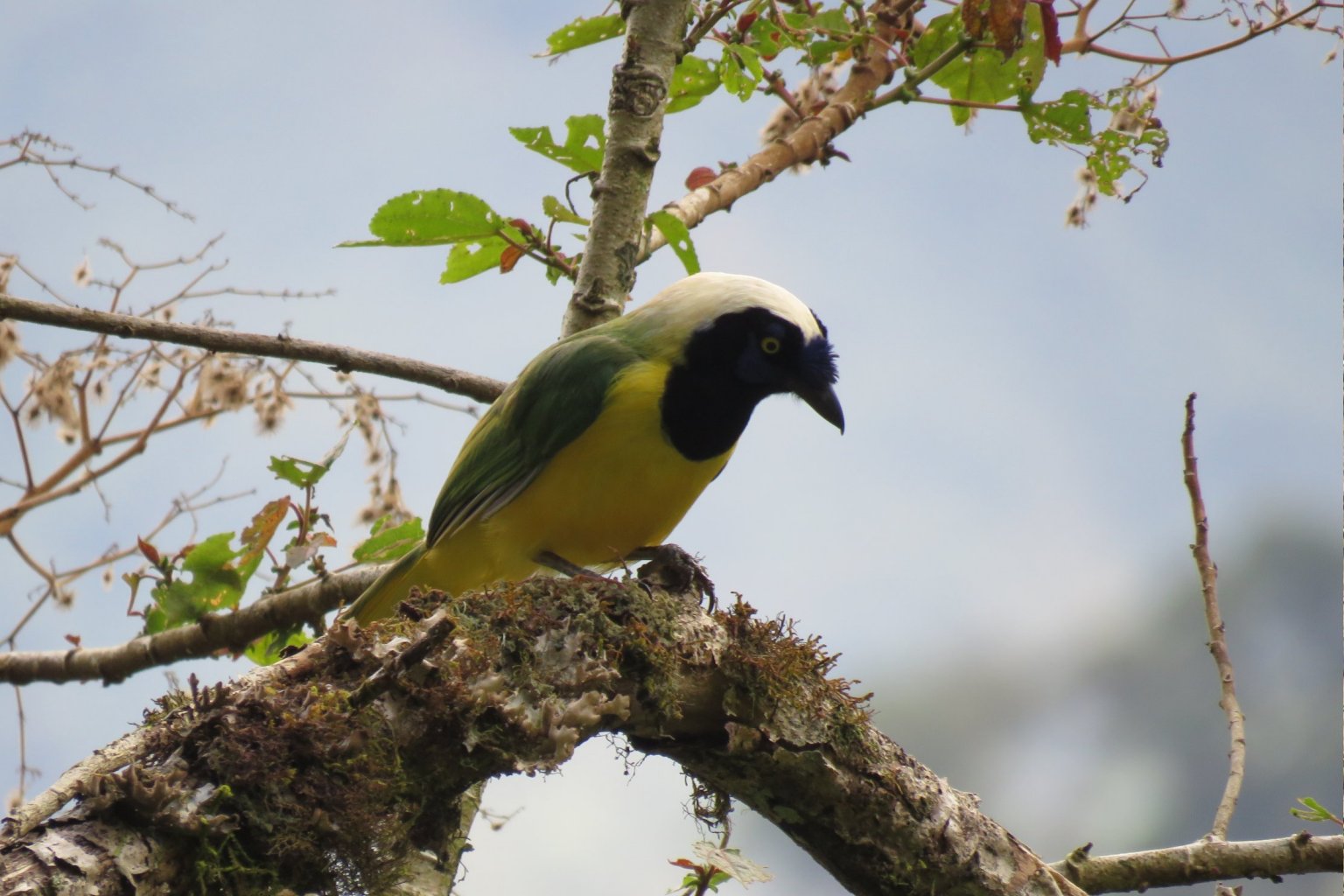
Whether you have a few days or a week, we have specialized itineraries designed specifically for birders. Check out our top recommendations:
- 6-Day Manu Road Birding Tour: A fantastic, slightly shorter option covering the transition from the high Andes to the lowland jungle.
- 7-Day Manu Biosphere Reserve Birding Tour: The perfect focused trip for cloud forest and foothill specialists.
- 9-Day Andes to Amazon Birding Tour: The ultimate, comprehensive expedition covering every single habitat from the highest peaks to the deepest Amazon. The ultimate life-list builder.
Frequently Asked Questions (FAQ)
How many bird species can I realistically expect to see on a tour?
On a well-guided 5 to 7-day comprehensive birding tour in Manu, it is very realistic to see between 300 and 450 species. The exact number depends on the season, the specific route, and a bit of luck!
Do I need to be an expert birder to enjoy a Manu birding tour?
Not at all. While our tours are designed to satisfy hardcore twitchers looking for rare endemics, they are equally enjoyable for beginners and nature photographers. Our expert guides are excellent teachers and will help you identify and appreciate every bird you see.
Are there any dangerous animals I should worry about while birding?
The jungle is a wild environment, but risks are minimal when you stay on the trails and follow your guide. Our guides are trained in wilderness safety, carry first-aid kits, and know exactly how to navigate the terrain safely while keeping an eye out for wildlife.
Can I combine a birding tour with a general wildlife or photography tour?
Absolutely. Many of our guests choose to do a general wildlife tour (like our Reserved Zone expedition) and add a couple of extra days specifically for birding on the Manu Road. Contact us to build a custom itinerary that fits your specific birding goals.
Ready to Build Your Ultimate Amazon Life List?
Birding in Manu is an experience that redefines what you thought was possible in the natural world. From the vibrant flash of a Cock-of-the-Rock in the mist to the deafening roar of a hundred macaws at a clay lick, the Amazon will overwhelm your senses.
At Manu Wild, our guides are not just local experts; they are passionate naturalists who know the calls, habits, and secret spots of Manu's incredible avian residents. Let us take you to the greatest birding destination on Earth.
Explore Our Specialized Birding Tours →
Have specific target species you want to see? Contact our birding experts → and we will help you plan the perfect expedition.