

It is the apex predator of the Americas, a symbol of raw power, stealth, and the untamed spirit of the Amazon. The jaguar (Panthera onca) is the ultimate prize for any wildlife enthusiast visiting South America.
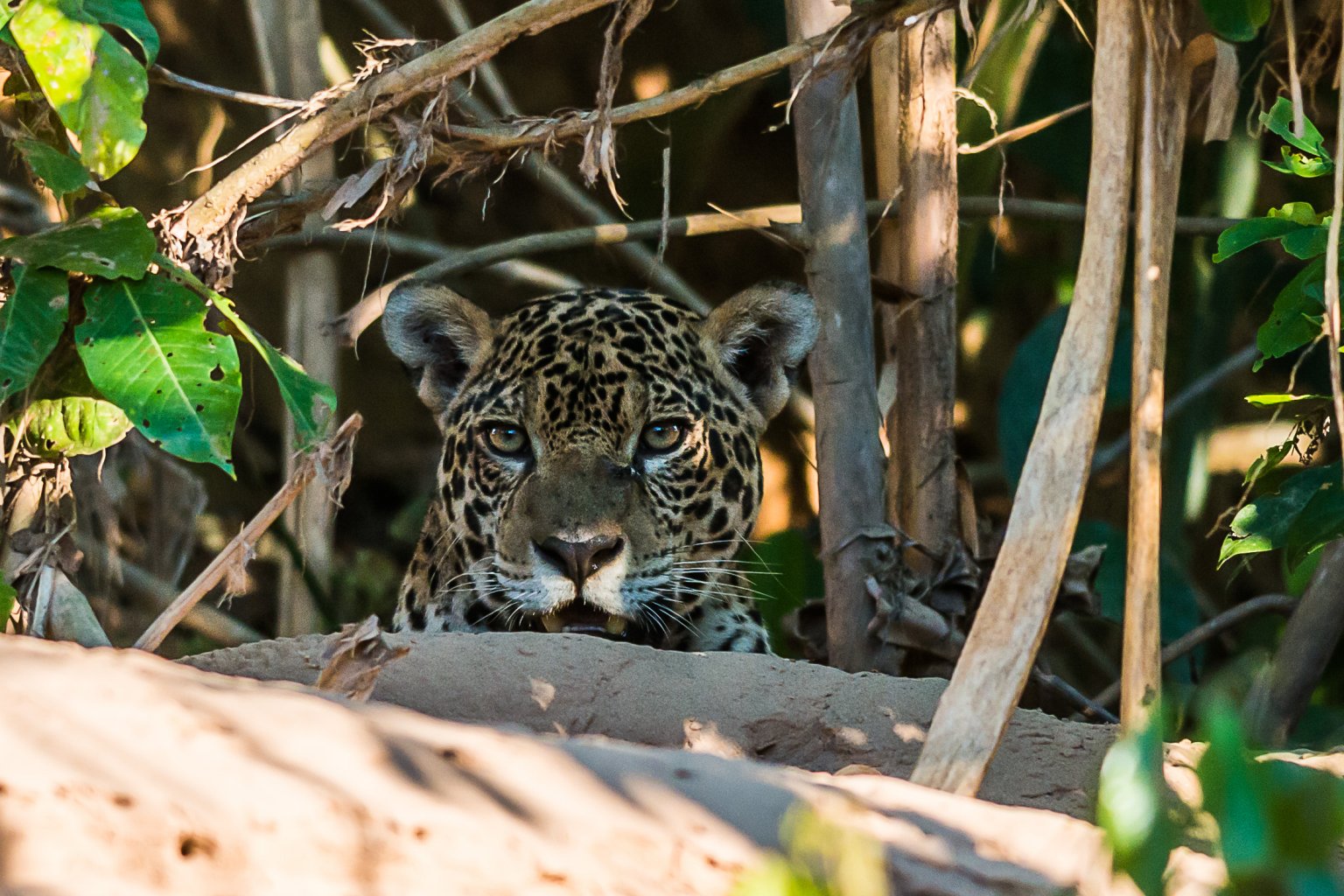
While seeing a wild jaguar is never guaranteed, Manu National Park offers one of the highest probabilities of encountering this magnificent big cat in its natural habitat. With its pristine ecosystems, abundant prey, and strictly protected zones, Manu is a true jaguar stronghold.
In this ultimate guide, we will reveal the science, strategies, and realistic expectations behind jaguar spotting in Manu, helping you maximize your chances of witnessing Peru’s most elusive predator.
Why Manu National Park is Prime Jaguar Habitat
Jaguars require three things to thrive: dense cover for hunting, abundant prey, and access to water. Manu National Park provides all of these in spades.
- Abundant Prey Base: The park is teeming with capybaras, peccaries, tapirs, and various monkey species, providing a steady food source for jaguars.
- Waterways: Jaguars are excellent swimmers and love the water. The massive river systems of Manu, including the Madre de Dios River and its countless oxbow lakes, are perfect hunting grounds.
- Lack of Human Interference: Because the Reserved Zone is strictly protected and access is highly limited, jaguars here are less persecuted and more likely to exhibit natural, undisturbed behaviors.
The Reality of Jaguar Spotting: Managing Expectations
Before embarking on a jaguar-tracking expedition, it is crucial to understand the nature of this animal. Jaguars are solitary, highly territorial, and primarily crepuscular (active at dawn and dusk) or nocturnal. They are masters of camouflage and can vanish into the jungle shadows in seconds.
Unlike the Masai Mara in Africa, where lions are often seen lounging in the open, a jaguar sighting in the Amazon is a rare, privileged, and deeply emotional event. Our expert guides will tell you honestly: we track them with passion, but nature dictates the outcome.
Best Locations and Strategies for Finding Jaguars
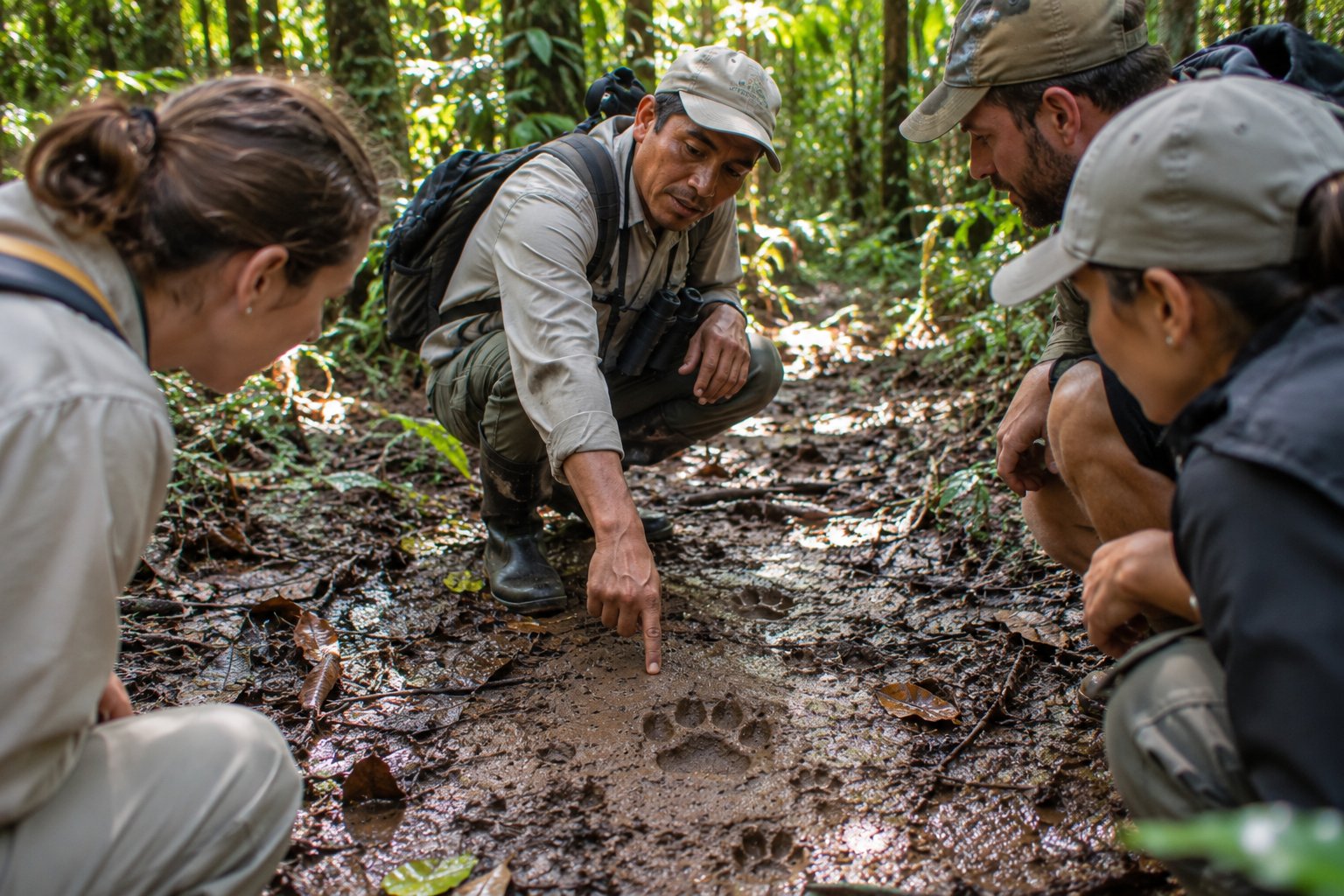
Our guides don't just "look" for jaguars; they read the forest. Here are the primary strategies and locations used to track them in Manu:
1. Riverbank Tracking
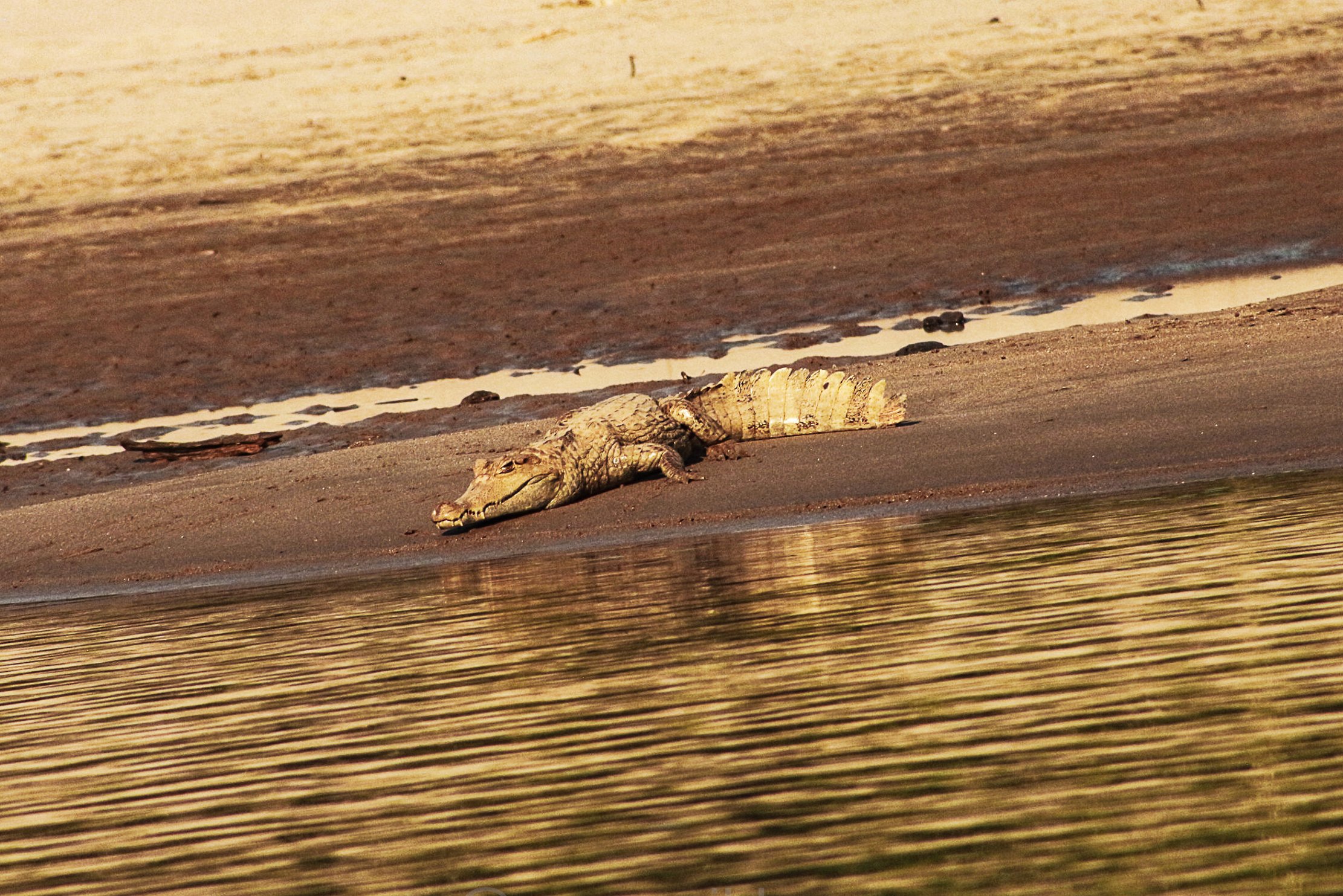
Jaguars frequently patrol the sandy banks of the Madre de Dios River, especially during the dry season when water levels drop. They use these banks to hunt caimans, capybaras, and turtles. Navigating the river quietly in a wooden canoe at dawn is one of the best ways to spot them.
2. The Clay Licks (Collpas)
While macaws and parrots are the stars of the clay licks, these mineral-rich riverbanks also attract terrestrial mammals like tapirs and peccaries. Jaguars know this and often patrol the perimeter of the clay licks, waiting for an easy meal.
3. Oxbow Lakes (Cochas)
Lakes like Lake Salvador or Lake Juarez are rich in caimans and giant otters. Jaguars are known to swim across these lakes or hunt along their edges. Our guides scan the opposite shores meticulously with high-powered spotting scopes.
4. Reading the Signs
Even if you don't see the jaguar, finding its signs is thrilling. Our guides will show you massive paw prints in the mud, deep scratch marks on tree trunks (used for marking territory), and scat. Understanding these signs brings you closer to the predator's world.
Best Time of Year and Day for Jaguar Encounters
The Season: The dry season (May to October) is statistically the best time for jaguar spotting. As the water recedes, prey animals are forced to congregate around the remaining rivers and lakes, bringing the jaguars with them. The exposed sandy riverbanks also make them easier to spot.
The Time of Day: Dawn (5:30 AM - 8:00 AM) and dusk (4:30 PM - 6:30 PM) are the golden hours. This is when the temperature is cooler, and the jaguar is most actively hunting. Midday is usually spent resting in the dense shade.
Ethical and Safe Jaguar Encounters
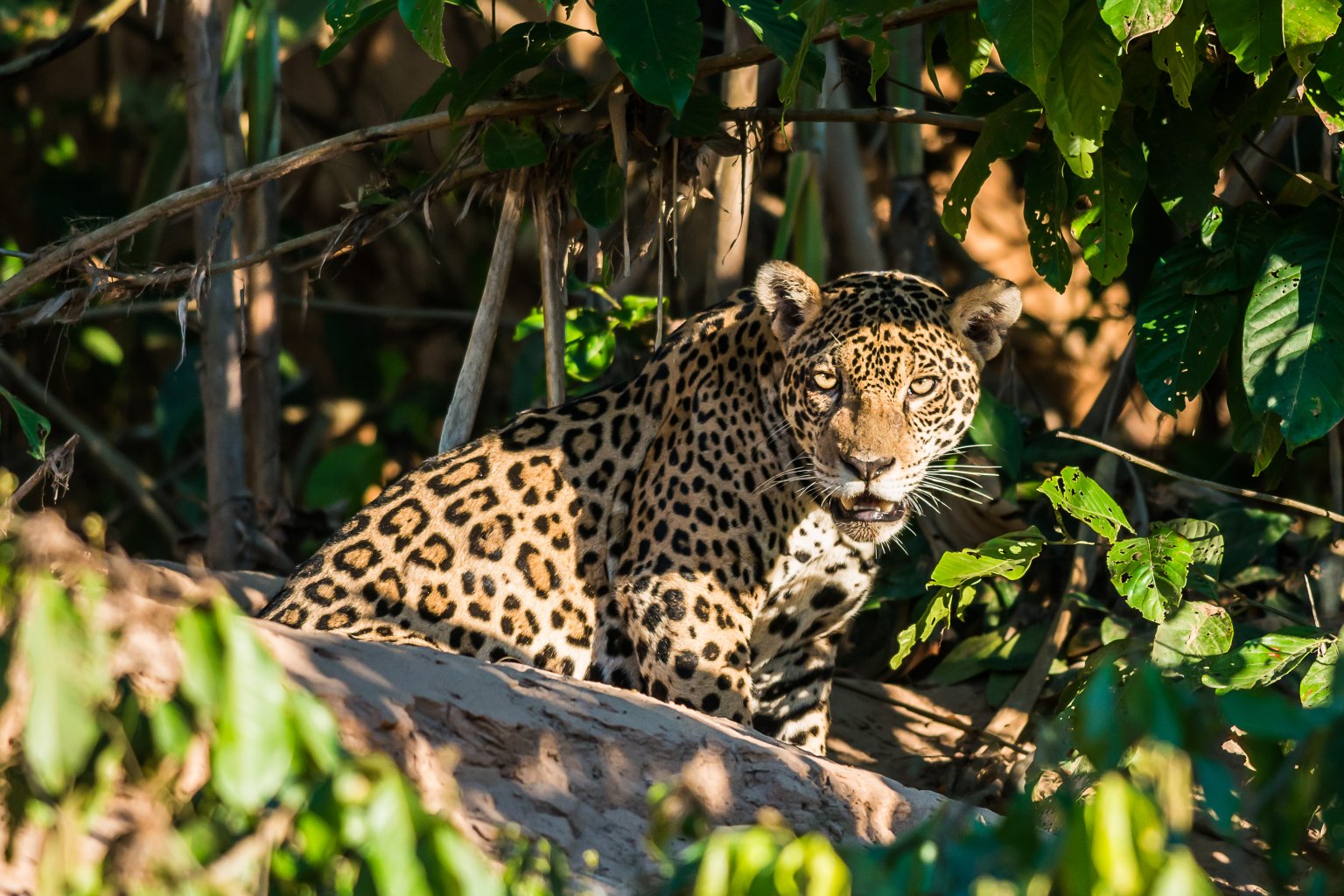
Witnessing a wild jaguar is a profound experience, but it must be done responsibly. At Manu Wild, we adhere to strict ethical guidelines:
- Maintain a Safe Distance: We never approach a jaguar on foot. All observations are done from the safety of our canoes or at a respectful distance on the riverbank.
- No Baiting or Calling: We never use food, recorded calls, or dogs to lure a jaguar. This alters their natural behavior and can make them dependent on or aggressive toward humans.
- Respect the Animal's Space: If a jaguar changes its behavior (stops hunting, stares directly at us, or tries to retreat), our guides will immediately and quietly back away.
- No Flash Photography: Using flash on a wild big cat is strictly prohibited. It can blind them, cause aggressive defensive reactions, and ruin their night vision.
Frequently Asked Questions (FAQ)
What are the realistic chances of seeing a jaguar in Manu?
While Manu has a healthy jaguar population, they are incredibly elusive. On a standard 5 to 7-day tour, the chances of a direct sighting are relatively low (estimated around 5-10%). However, the chances of finding fresh tracks, scratch marks, or scat are very high. For those who do see one, it is a life-changing moment.
Are jaguars dangerous to tourists?
Jaguars are apex predators and possess immense power. However, unprovoked attacks on humans are exceedingly rare. They naturally avoid people. As long as you stay in the canoe or follow your guide's instructions and never approach them, you are completely safe.
Can I track jaguars on foot in the jungle?
No. Tracking a jaguar on foot in the dense Amazon understory is highly dangerous and unethical. It stresses the animal and puts the tourists at risk. All responsible jaguar tracking in Manu is done from the river or at a safe, open distance.
What camera gear do I need to photograph a jaguar?
Because sightings usually happen across a river or lake, you need serious reach. A telephoto lens of at least 400mm (ideally 500mm or 600mm) is recommended. A fast shutter speed (1/1000s or faster) is crucial to capture them moving, and a bean bag for stabilization in the canoe is a must.
Ready to Track the Amazon's Apex Predator?
Searching for the jaguar is about more than just the final sighting; it is about immersing yourself in the deep, wild heart of the Amazon. It is about learning to read the forest, listening to the jungle's warnings, and appreciating the delicate balance of this incredible ecosystem.
If you are ready for the ultimate wildlife adventure, let our expert local guides take you deep into the jaguar's territory.
Explore Our 8-Day Manu Wildlife Center Tour: Macaw Clay Lick & Amazon Expedition →
Have questions about our wildlife tracking itineraries? Contact our expert team → and let's plan your ultimate Amazon predator quest.