
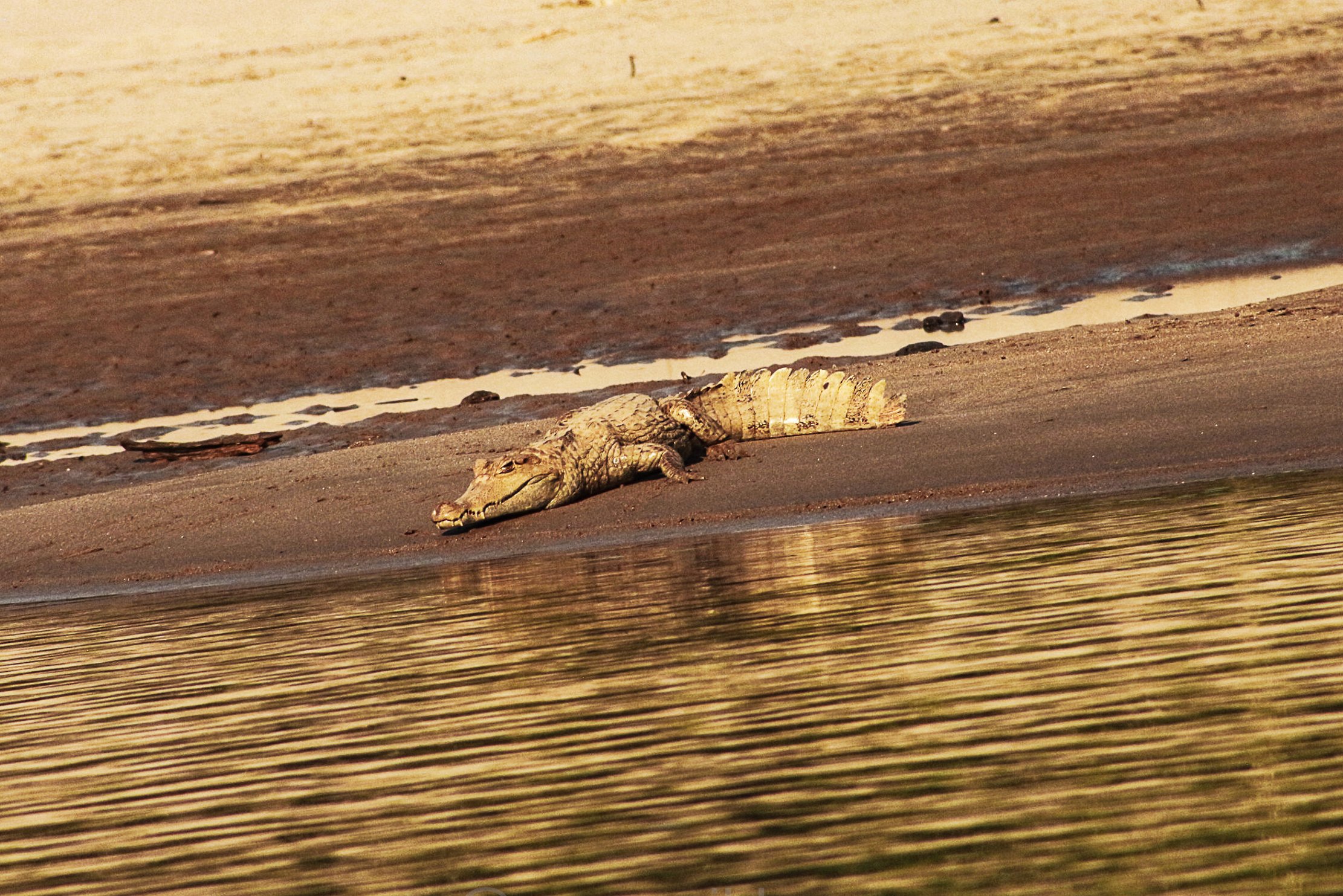
Deep in the heart of the Peruvian Amazon, a highly intelligent, fiercely social, and remarkably vocal predator rules the waterways. Measuring up to 6 feet (1.8 meters) long, the Giant River Otter (Pteronura brasiliensis) is not only the largest otter species in the world but also one of the most captivating animals you can encounter in the wild.
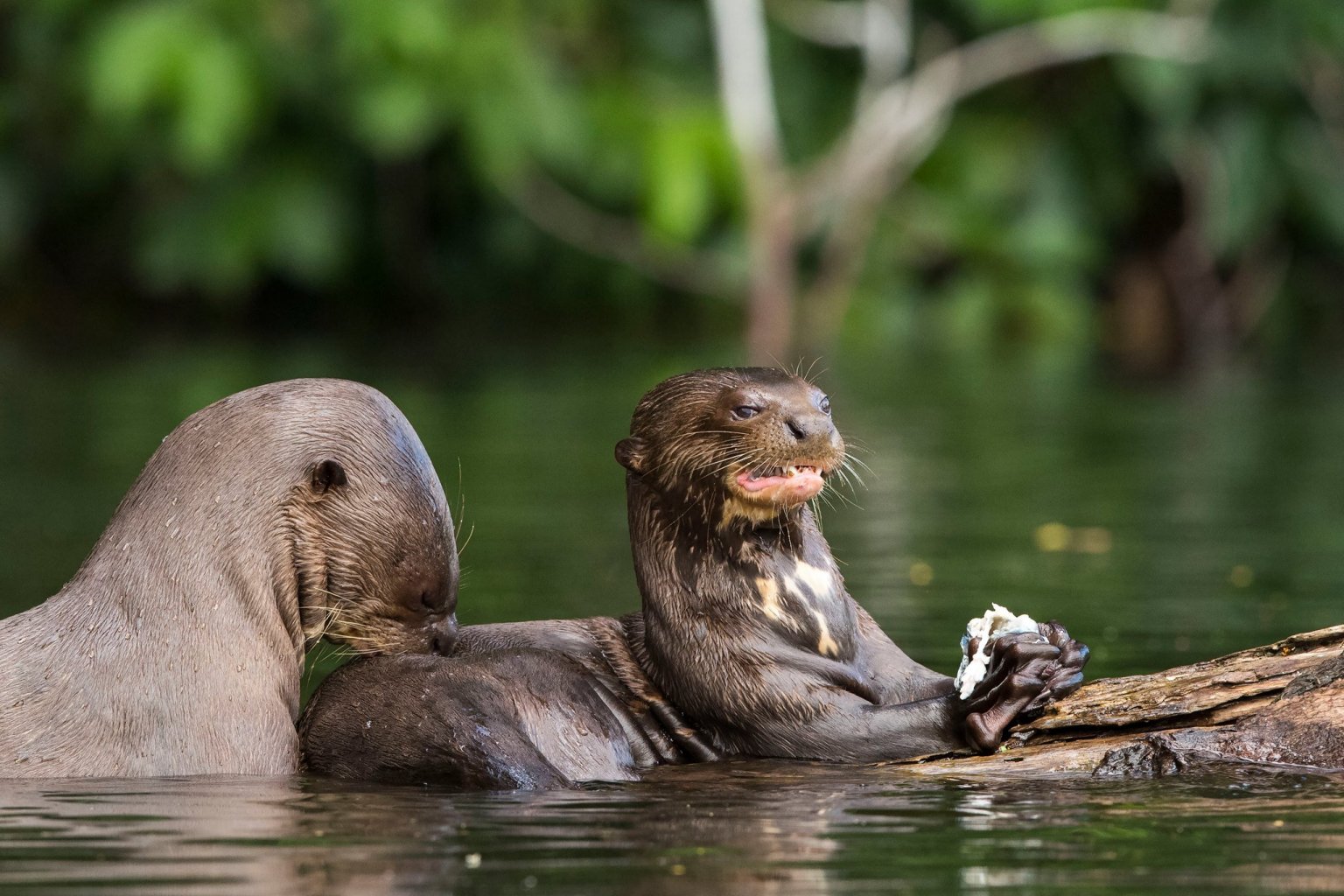
Locally known as the "river wolf" (lobo de río), these magnificent creatures were once hunted to the brink of extinction for their pelts. Today, thanks to strict protection laws, Manu National Park serves as one of their most important and reliable sanctuaries.
If witnessing a family of giant otters hunting, playing, and interacting in their natural habitat is on your bucket list, this guide will tell you exactly where and how to spot them in Manu.
Why Manu National Park is the Best Place to See Giant Otters
While giant otters can be found in several South American countries, Peru holds the largest and most stable population, and the Manu Biosphere Reserve is the crown jewel of their habitat.
Unlike more accessible, heavily trafficked areas of the Amazon, Manu’s Reserved Zone offers a pristine, undisturbed environment. The park is dotted with dozens of oxbow lakes (known locally as cochas), which are the perfect habitat for these animals. These lakes are rich in fish, have steep banks for denning, and are largely free from human interference, allowing otter families to thrive and behave naturally.
Understanding Giant Otter Behavior: What to Expect
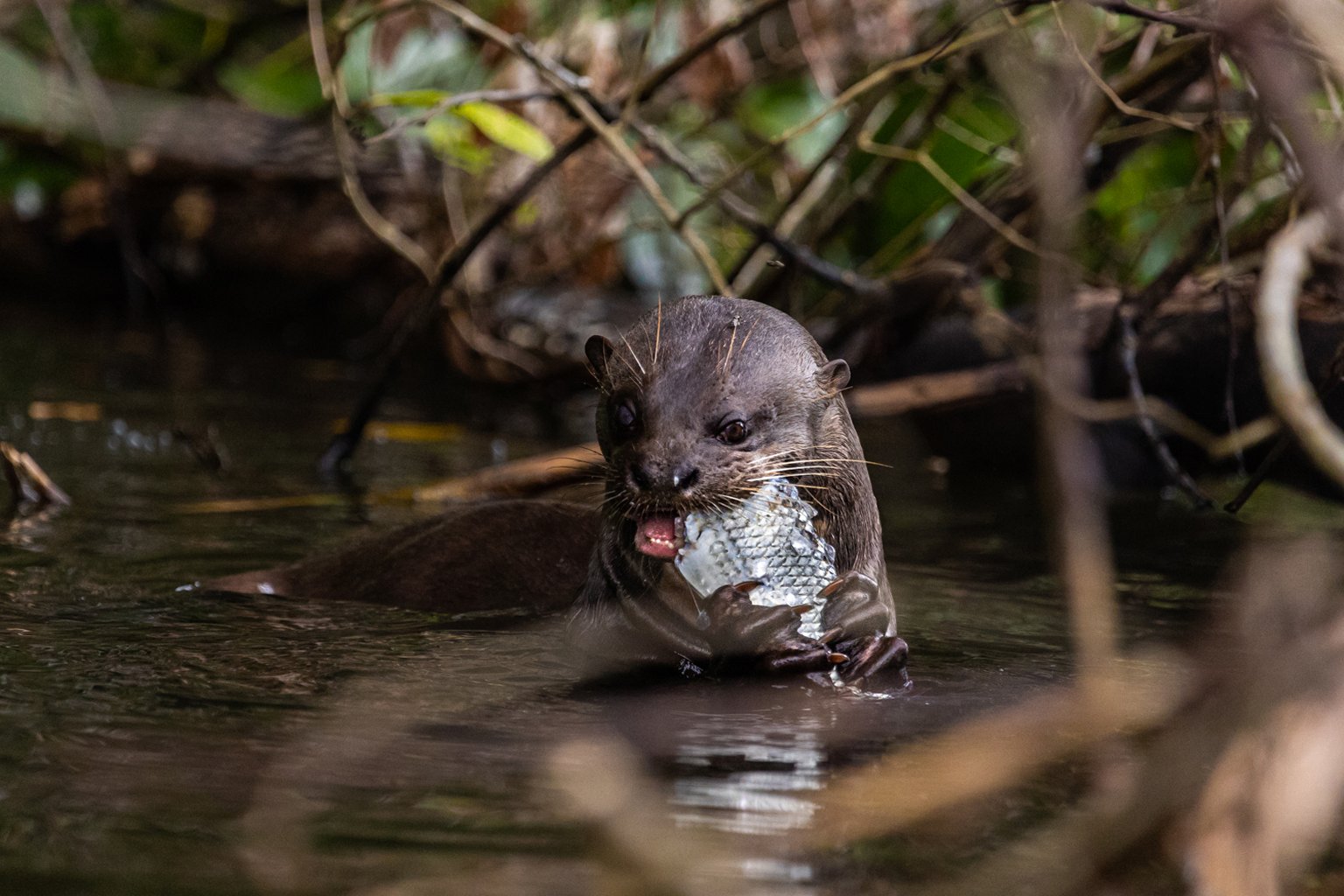
Knowing how giant otters behave will dramatically increase your chances of spotting them and help you appreciate the experience even more.
- Highly Social: They live in tight-knit family groups of 3 to 15 individuals, led by a dominant breeding pair.
- Incredibly Vocal: They are famously loud. You will often hear them before you see them. Their repertoire includes barks, whistles, hums, and a distinct, loud honking sound used to warn the group of danger (like a boat or a caiman).
- Diurnal Hunters: They are active during the day, primarily hunting fish (like characin and catfish) in the early morning and late afternoon.
- Curious but Cautious: While they may approach a canoe to investigate, they are wild animals. A reputable guide will always maintain a respectful distance to avoid stressing the family.
The Best Locations to Spot Them in Manu
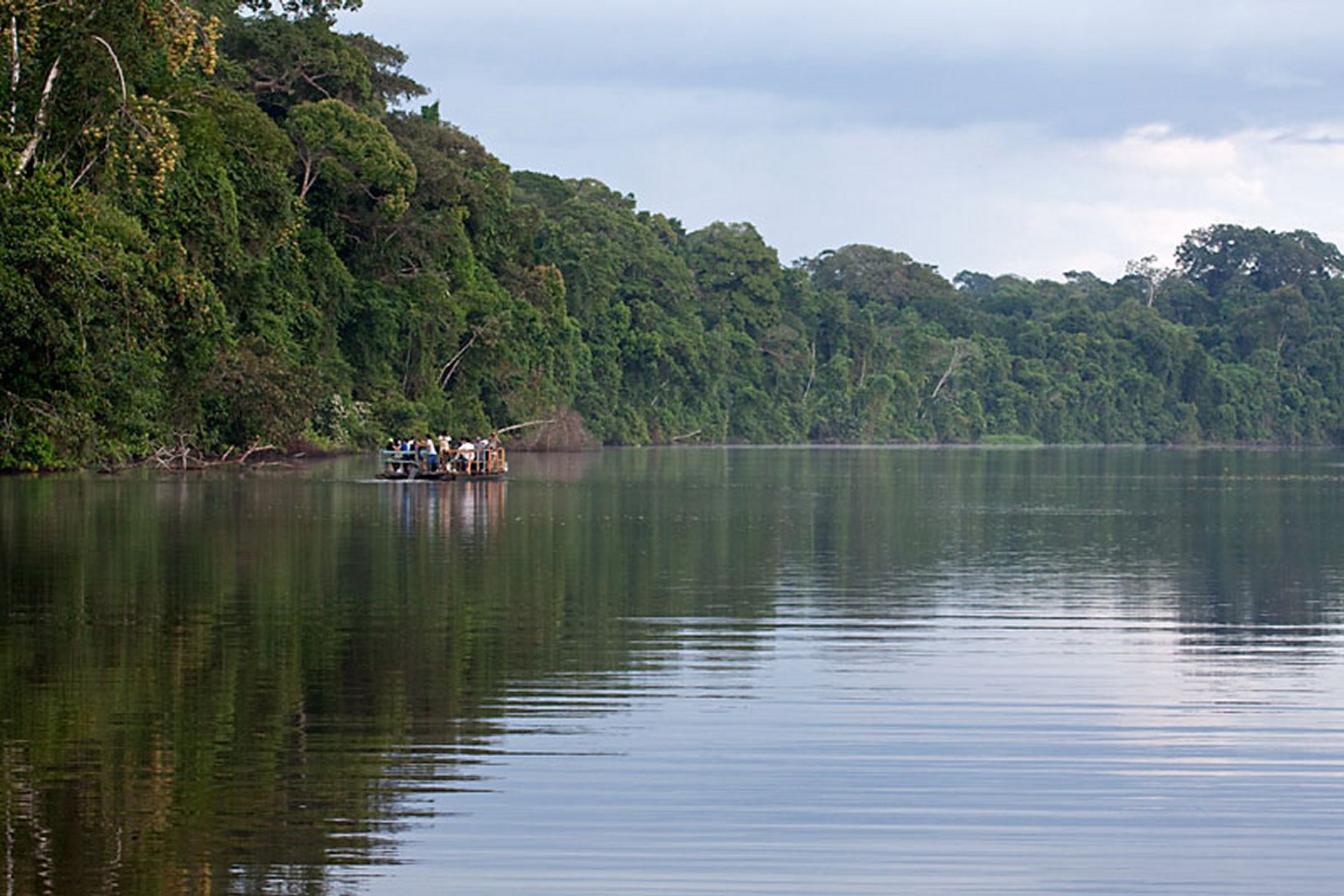
Not all lakes in Manu are created equal when it comes to otter sightings. Our expert guides know the specific territories of resident otter families. The most reliable sightings occur in the Reserved Zone at lakes such as:
- Lake Salvador: One of the most famous and reliable oxbow lakes in the Reserved Zone, known for large, habituated otter families.
- Lake Juarez: Another prime location within the Reserved Zone, offering excellent canoe-based wildlife viewing.
- Blanquillo Oxbow Lake: Located in the Cultural/Buffer Zone, this lake is famous not only for its macaw clay lick but also for a resident giant otter family that frequently patrols its waters.
Pro Tip: Tours that include multiple days in the Reserved Zone or specific visits to these lakes have the highest success rate for otter sightings.
Best Time of Year to See Giant Otters
You can spot giant otters in Manu year-round, but the experience changes slightly depending on the season:
- Dry Season (May - October): This is generally considered the best time. Lower water levels mean the otters are more concentrated in the permanent oxbow lakes. They are also more active during the day, and the clearer water makes it easier to see them diving and hunting.
- Wet Season (November - April): Higher water levels allow otters to expand their territory into flooded forests (igapó). While they are still present in the main lakes, they may be slightly more dispersed. However, the lush green backdrop makes for stunning photography.
Expert Tips for Spotting and Photographing Giant Otters

Seeing a giant otter is a privilege. To maximize your experience and ensure you don't disturb them, follow these guidelines:
- Listen Carefully: Ask your guide to turn off the boat motor when approaching a known otter lake. Drift silently and listen for their distinctive barks or splashing.
- Scan the Banks and Center: Otters often sunbathe on fallen logs or muddy banks in the morning. Later in the day, they patrol the center of the lake hunting.
- Keep Your Distance: Never chase an otter family with a boat. If they stop hunting and start staring at you or vocalizing aggressively, your guide will back away. This is a sign you are stressing them.
- Camera Settings: For photography, use a telephoto lens (200-400mm). Keep your shutter speed high (1/1000s or faster) to freeze the action of them leaping or shaking water off their fur. A polarizing filter is highly recommended to cut through the glare on the water's surface.
Conservation: How Your Visit Helps
Giant river otters are classified as Endangered by the IUCN. Their primary historical threats were hunting and habitat destruction. Today, the main threats are illegal gold mining and overfishing in other parts of the Amazon.
By choosing to visit Manu National Park with a responsible, authorized operator like Manu Wild, you are directly contributing to their conservation. Tourism provides a sustainable economic alternative to destructive industries, funds park protection, and proves to local communities that live otters are more valuable than dead ones.
Frequently Asked Questions (FAQ)
Are giant river otters dangerous to humans?
Giant otters are apex predators and are fiercely protective of their young. While unprovoked attacks on humans are extremely rare, they can be aggressive if they feel their family or den is threatened. This is why it is crucial to always follow your guide's instructions and never attempt to swim in lakes where otters are actively denning or hunting.
Can I swim with giant otters in Manu?
No. Swimming is strictly prohibited in oxbow lakes known to be active giant otter habitats. This rule is in place to protect both the otters (from stress and disease) and the tourists (from potential defensive aggression). Swimming is only allowed in specific, designated areas approved by your guide.
How long does a giant otter live in the wild?
In the wild, giant river otters typically live between 10 to 15 years, though some individuals in protected areas like Manu have been known to live longer.
Do I need a special tour to see them?
While you might occasionally spot one from a boat on the main river, the best way to see them is by visiting the oxbow lakes in the Reserved Zone or specific areas like Blanquillo. We recommend our 6-day Manu Reserved Zone Expedition or our 8-Day Manu Wildlife Center Tour for the highest probability of sightings.
Ready to Meet the "River Wolves" of the Amazon?
Hearing the chorus of barks echo across a misty Amazon lake, and then watching a sleek, playful family of giant otters glide through the water, is a moment of pure magic. It is a raw, authentic wildlife encounter that you will never forget.
At Manu Wild, our local guides are experts at tracking these incredible animals while ensuring their habitat remains undisturbed. Let us help you witness the apex predators of the Amazon in their true, wild home.
Explore Our Wildlife & Otter-Focused Tours →
Have questions about the best itinerary for wildlife viewing? Contact our expert team → and we will tailor the perfect Amazon adventure for you.