
When planning an adventure to the Peruvian Amazon, it's completely normal to ask: "Is Manu National Park safe?"
The short answer is: Yes, absolutely. When you travel with a reputable, authorized tour operator, Manu National Park is one of the safest and most well-managed wilderness destinations in South America.
However, the Amazon is a wild, remote environment. "Safe" doesn't mean "risk-free" in the same way a city hotel does. It means that risks are professionally managed, minimized, and mitigated by experts.
In this comprehensive guide, we'll transparently address every safety concern—from health and wildlife to logistics and crime—so you can embark on your Manu adventure with total peace of mind.
1. Health and Medical Safety: What You Need to Know
Health is the number one concern for most travelers. Here is the reality of medical safety in Manu:
Vaccinations: The Yellow Fever Requirement
A Yellow Fever vaccination is mandatory for entering the Manu Reserved Zone and highly recommended for the Cultural Zone. You must present your International Certificate of Vaccination. This requirement is strictly enforced by park authorities to protect both visitors and the ecosystem.
Tip: Get vaccinated at least 10 days before your trip. Consult your travel doctor 4-6 weeks in advance.
Malaria and Dengue Fever
Unlike some other parts of the Amazon basin, the Manu region (especially the higher elevation Cultural Zone and the specific routes we take) is considered a very low-risk area for Malaria. Most tour operators, including Manu Wild, do not require prophylactic malaria pills. However, Dengue fever is present in the broader region. The best defense is prevention: wearing long sleeves, using DEET-based insect repellent, and sleeping under mosquito nets (provided by all lodges).
Food and Water Safety
Never drink tap water in the Amazon. Reputable tour operators provide unlimited boiled, filtered, or purified drinking water throughout the entire journey. Meals are prepared hygienically at the lodges, and fresh produce is carefully washed. If you have dietary restrictions, inform your operator in advance (as we do at Manu Wild) to ensure safe, suitable meals.
2. Wildlife Encounters: Snakes, Spiders, and Insects
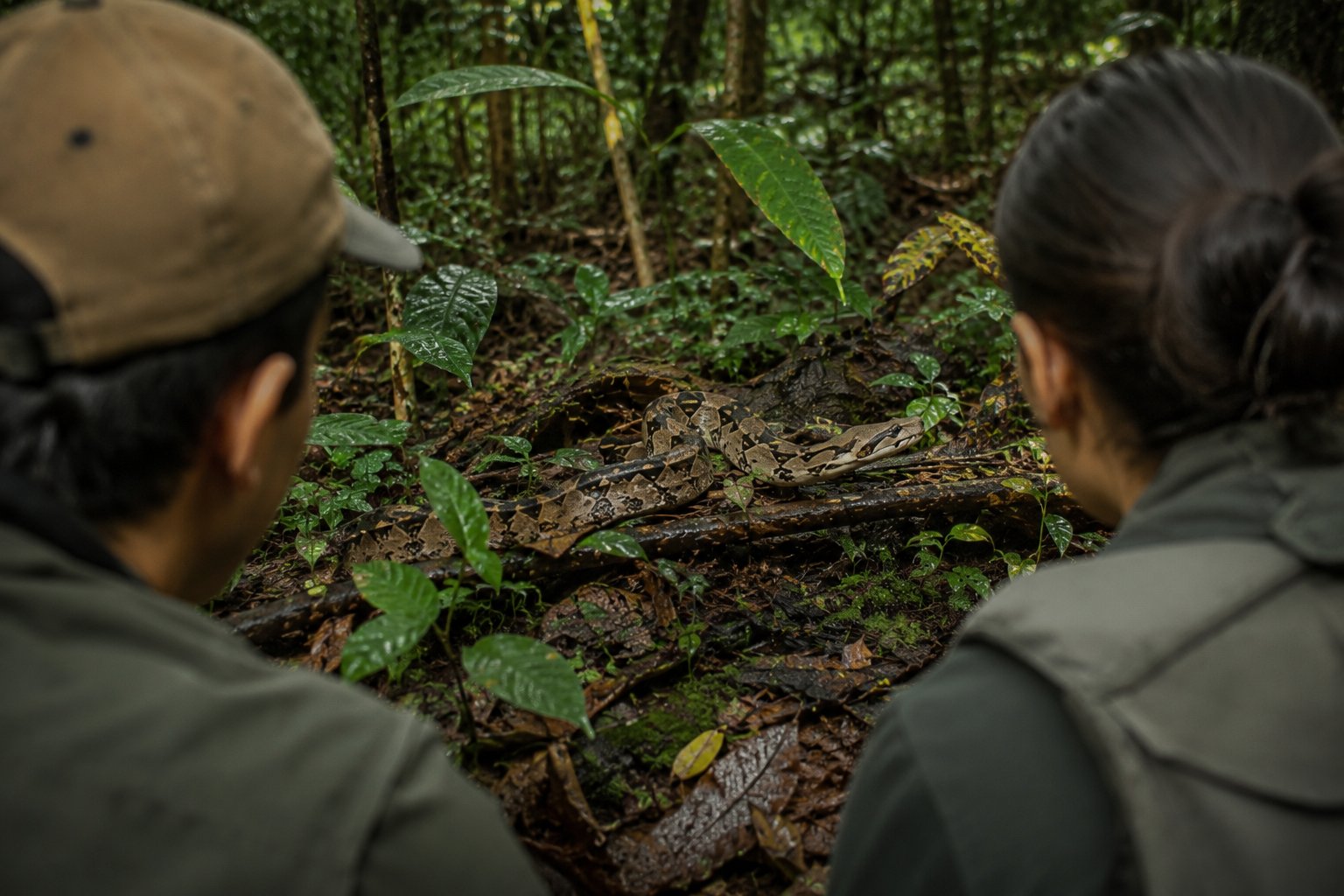
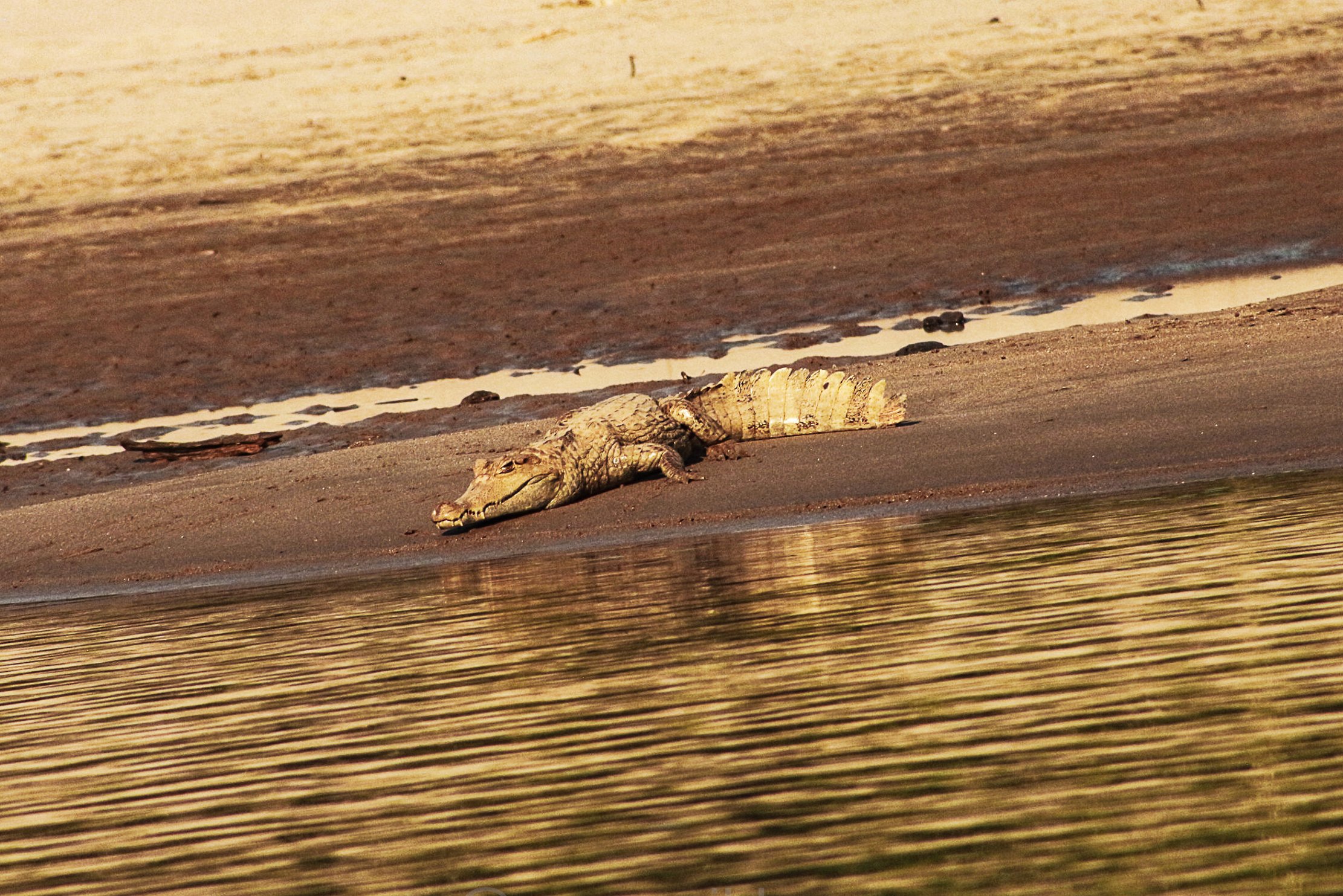
The idea of dangerous wildlife is often exaggerated by movies. In reality, animals want to avoid humans, not attack them.
Snakes and Spiders
Venomous snakes (like the Fer-de-Lance) and spiders exist in the Amazon, but unprovoked attacks on humans are exceptionally rare. They are shy and will retreat if they hear you coming. This is why it is strictly forbidden to walk off the trails or put your hands into hollow logs or dense foliage without a guide's supervision.
The "Guide Rule"
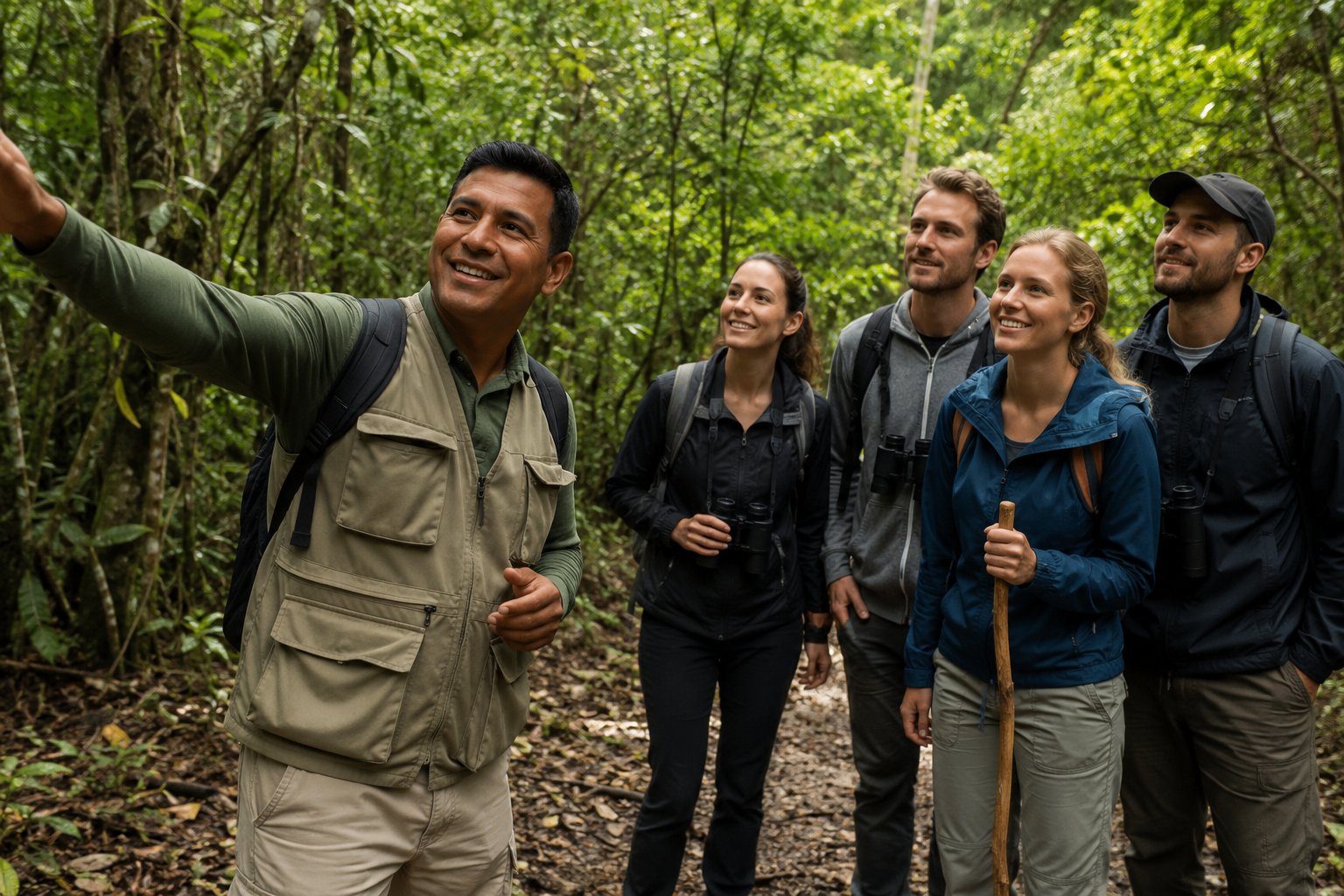
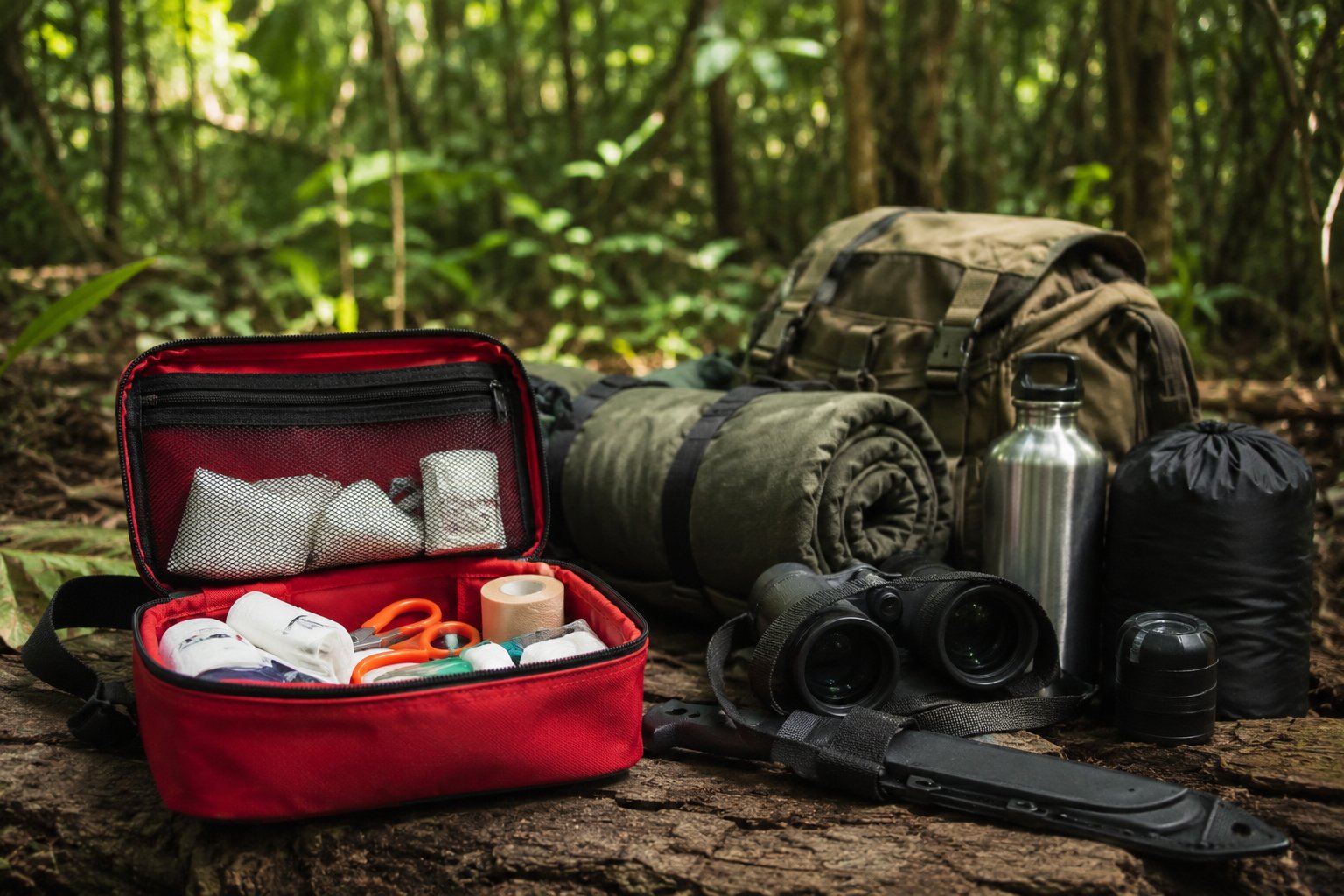
Your safety relies on one simple rule: Always follow your guide's instructions. Our guides are trained to spot wildlife from a safe distance, identify hazardous plants (like the stinging "Ortiga" tree), and navigate trails safely. They carry first-aid kits and know the exact protocols for any unlikely emergency.
3. Logistics and Emergency Protocols
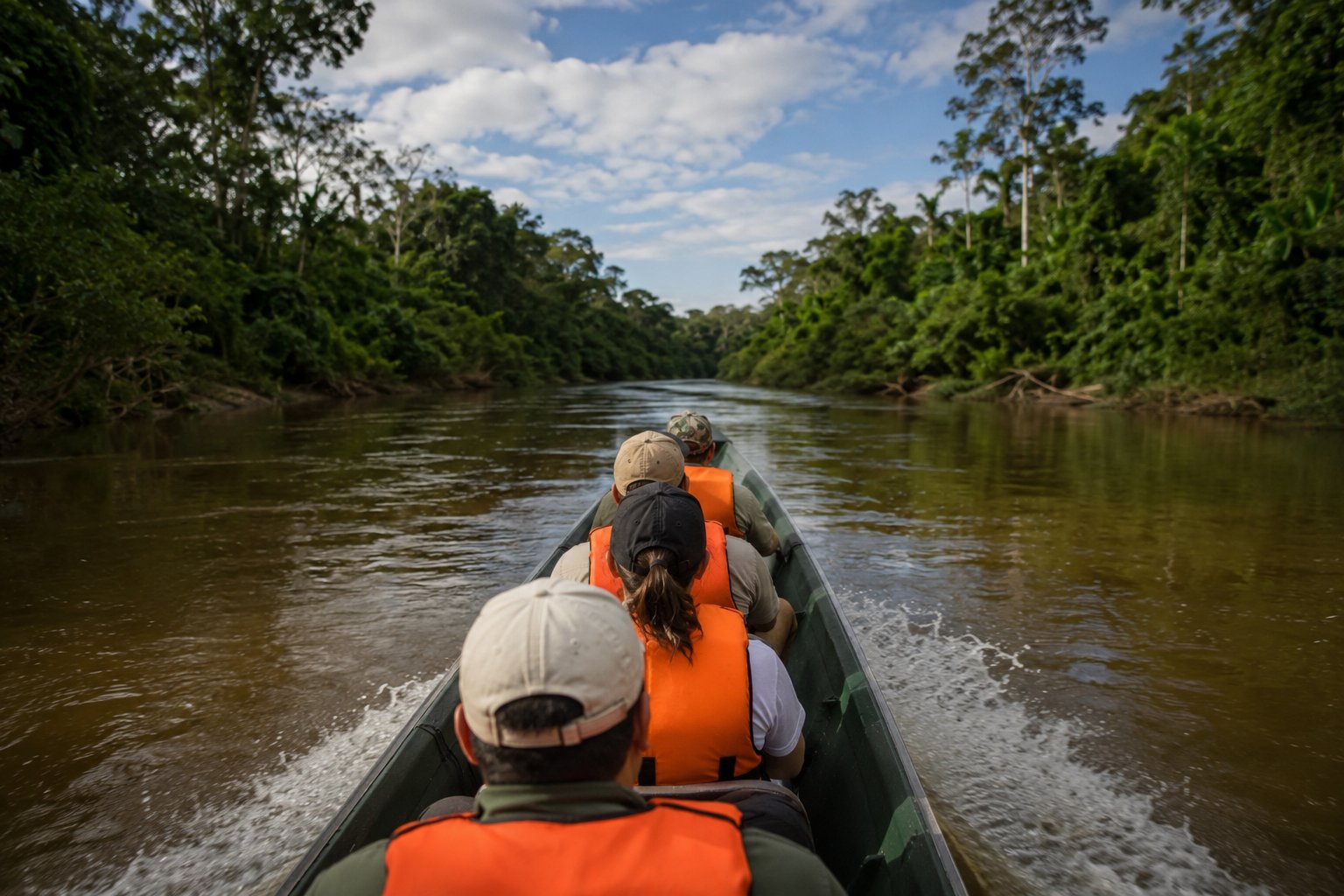
Manu is remote. There are no hospitals in the jungle. This is why choosing the right operator is your most critical safety decision.
Why Authorized Operators Matter
Independent travel to the Manu Reserved Zone is illegal. You must enter with an authorized agency. This law exists specifically for conservation and tourist safety. Authorized operators like Manu Wild are required to maintain strict safety standards, including:
- Wilderness First Aid Certified Guides: Trained to handle injuries, allergic reactions, or illnesses until evacuation is possible.
- Satellite Communication: Lodges and lead guides carry satellite phones or radios to contact emergency services in Cusco if needed.
- Evacuation Plans: Established protocols for river or air evacuation in the event of a serious medical emergency.
- Well-Maintained Equipment: Reliable vehicles, life jackets for all boat navigation, and safe, structurally sound lodge accommodations.
4. Crime and Personal Security
Ironically, the deepest parts of the Amazon are safer from crime than major cities. Once you leave Cusco and enter the national park, the risk of theft, robbery, or violent crime is virtually zero.
The primary security risks occur during transit:
- In Lima or Cusco: Practice standard big-city safety. Keep valuables out of sight, use official taxi services (like Uber or hotel-arranged cabs), and be aware of your surroundings in crowded markets.
- On the Road: Our tourist vehicles are discreet and travel in daylight. We make scheduled stops at safe, established restaurants and viewpoints.
At the lodge, your belongings are safe. Cabins have locks, and the close-knit community of staff and guests creates a secure environment.
5. Who Should Think Twice Before Visiting?
While Manu is safe for the vast majority of travelers, extreme honesty is part of our safety protocol. The jungle may not be suitable for you if you have:
- Severe mobility issues: Trails can be uneven, muddy, and require moderate walking. (Note: Some lodges are more accessible than others; ask us about options).
- Severe, uncontrolled allergies: Especially to insect stings, as medical help is hours away.
- Recent major surgery: The bumpy road and remote location make recovery difficult.
If you have any concerns, contact our team. We will honestly assess if our tours are the right fit for your physical condition.
Essential Safety Checklist for Your Trip
| Action | Why It Matters |
|---|---|
| Get Travel Insurance | Must cover medical emergencies and evacuation (e.g., Global Rescue, World Nomads). |
| Get Yellow Fever Vaccine | Mandatory for the Reserved Zone. Bring the physical certificate. |
| Pack Proper Gear | Long pants, closed-toe shoes, and insect repellent are your first line of defense. See our Ultimate Packing List. |
| Disclose Medical Conditions | Tell your tour operator about allergies, medications, or conditions before you go. |
| Listen to Your Guide | Never wander off the trail or touch wildlife. Your guide's word is law in the jungle. |
Frequently Asked Questions (FAQ)
Is it safe to travel to Manu National Park alone?
Yes, but you cannot travel independently into the Reserved Zone. Solo travelers join small group tours led by professional guides, which is actually one of the safest ways to experience the Amazon. You will be with a group and experts at all times.
Do I need to take malaria pills for Manu?
Generally, no. The Manu route is considered low-risk for malaria compared to other Amazon regions like Iquitos. However, you should always consult your travel physician for personalized advice based on your medical history.
What happens if there is a medical emergency in the jungle?
Our guides are trained in wilderness first aid and carry comprehensive kits. For serious issues, we use satellite communication to coordinate with medical professionals in Cusco and initiate evacuation protocols, which may involve a boat to the nearest clinic or a charter flight if absolutely necessary. This is why travel insurance with evacuation coverage is mandatory.
Are the roads to Manu dangerous?
The road from Cusco to the Amazon involves high mountain passes and dirt sections. While it requires caution, we use experienced, local drivers who know every curve. We only travel during daylight hours and use well-maintained tourist vehicles, making the journey very safe.
Is the tap water safe to drink at the lodges?
No. You should never drink untreated tap water in the Amazon. All reputable tours, including ours, provide unlimited purified or boiled drinking water for brushing teeth and drinking throughout the trip.
Ready for a Safe and Unforgettable Amazon Adventure?
Thousands of travelers visit Manu National Park every year and return with life-changing memories, not safety incidents. The key is preparation, proper gear, and choosing an operator that prioritizes your well-being as much as the wildlife.
At Manu Wild, safety is woven into every aspect of our expeditions, from our certified guides to our emergency protocols. We are here to ensure your adventure is not only thrilling but completely secure.
Explore Our Safe, Guided Manu Tours →
Have specific health or safety questions? Contact our team → and we will gladly provide detailed answers to help you travel with confidence.