

Planning a trip to the Peruvian Amazon? One of the most common questions we receive is: "When is the best time to visit Manu National Park?"
The short answer: Manu is a year-round destination, and every season offers a unique, spectacular experience. However, the "best" time for you depends on what you want to see, your tolerance for rain, and your travel style.
In this comprehensive guide, we'll break down the dry season vs. wet season, provide a month-by-month wildlife calendar, and help you choose the perfect time for your Amazon adventure with Manu Wild.
Quick Overview: Dry Season vs. Wet Season
Before diving into the details, here's a quick comparison to help you decide:
| Feature | Dry Season (May - October) | Wet Season (November - April) |
|---|---|---|
| Weather | Sunny mornings, occasional afternoon showers, cooler nights | Frequent rain, high humidity, warm temperatures |
| Wildlife Activity | High (animals gather at clay licks and water sources) | High (breeding season, active birds, lush vegetation) |
| Trail Conditions | Dry and easier to hike | Muddy and slippery (rubber boots recommended) |
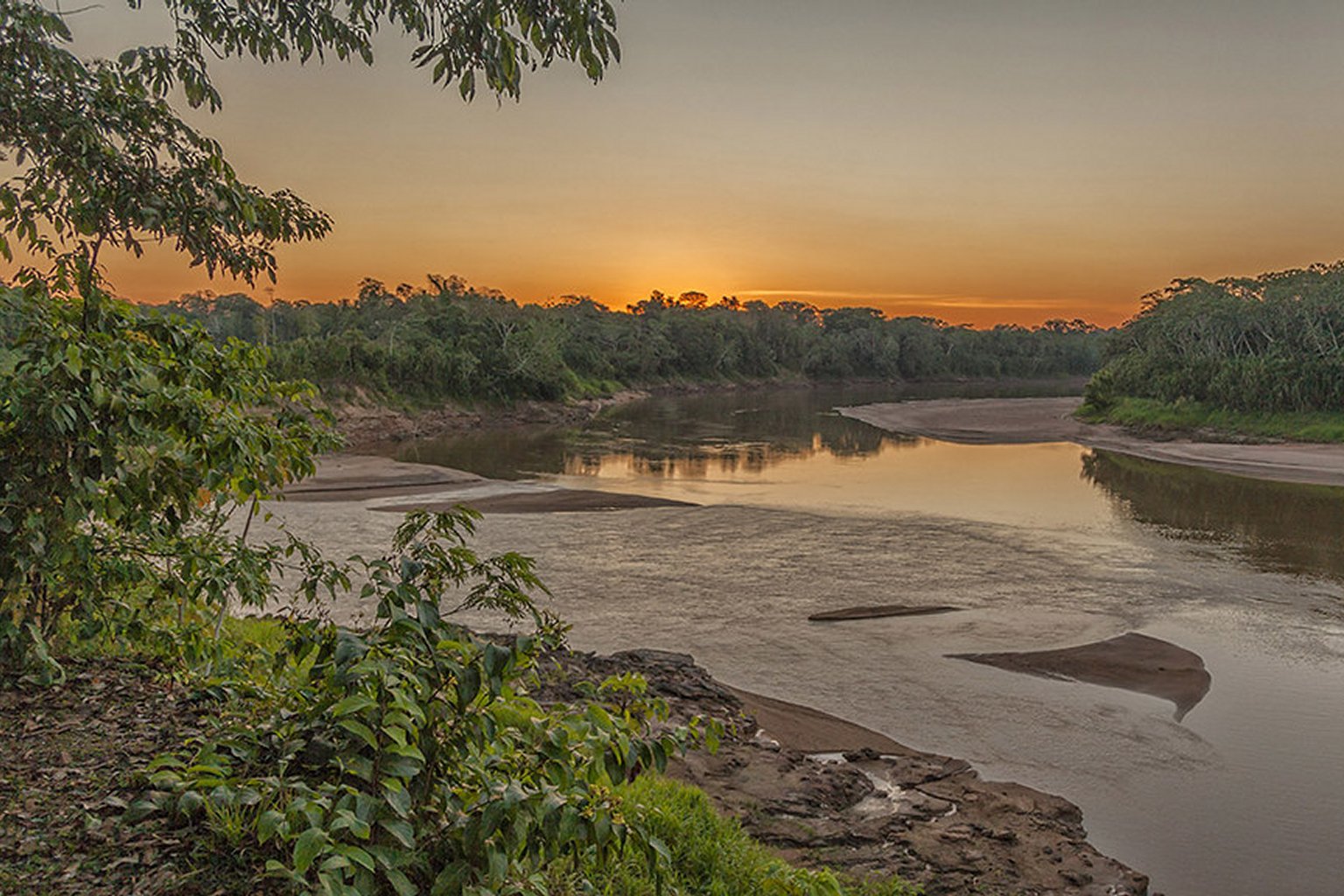
| River Navigation | Lower water levels, easier to spot wildlife on banks | Higher water levels, access to flooded forests (igapó) |
| Tourist Crowds | Peak season (book 3-6 months in advance) | Low season (more availability, occasional discounts) |
| Best For | First-time visitors, photographers, clay lick enthusiasts | Bird watchers, budget travelers, returning visitors |
The Dry Season (May - October): The Peak Experience
What to Expect
The dry season is the most popular time to visit Manu National Park. While "dry" is a relative term in the Amazon (it can still rain!), you'll experience mostly sunny mornings, manageable afternoon showers, and cooler nights, especially in the cloud forest.
Wildlife Highlights
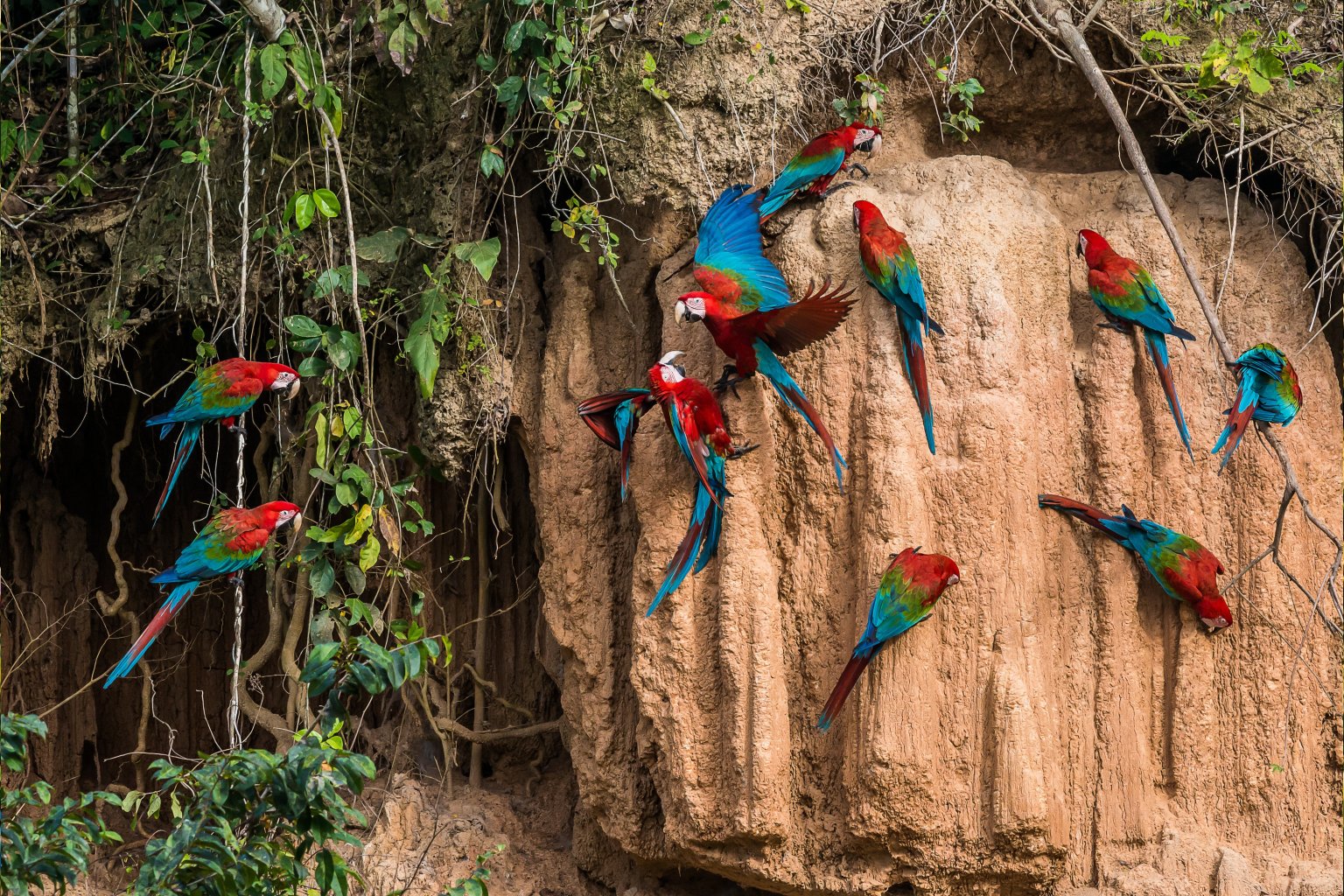
- Macaw Clay Licks: This is the absolute best time to witness the spectacular gatherings of scarlet macaws and parrots at clay licks like Blanquillo and Manu Wildlife Center. The dry conditions make the clay more accessible and the bird activity peaks.
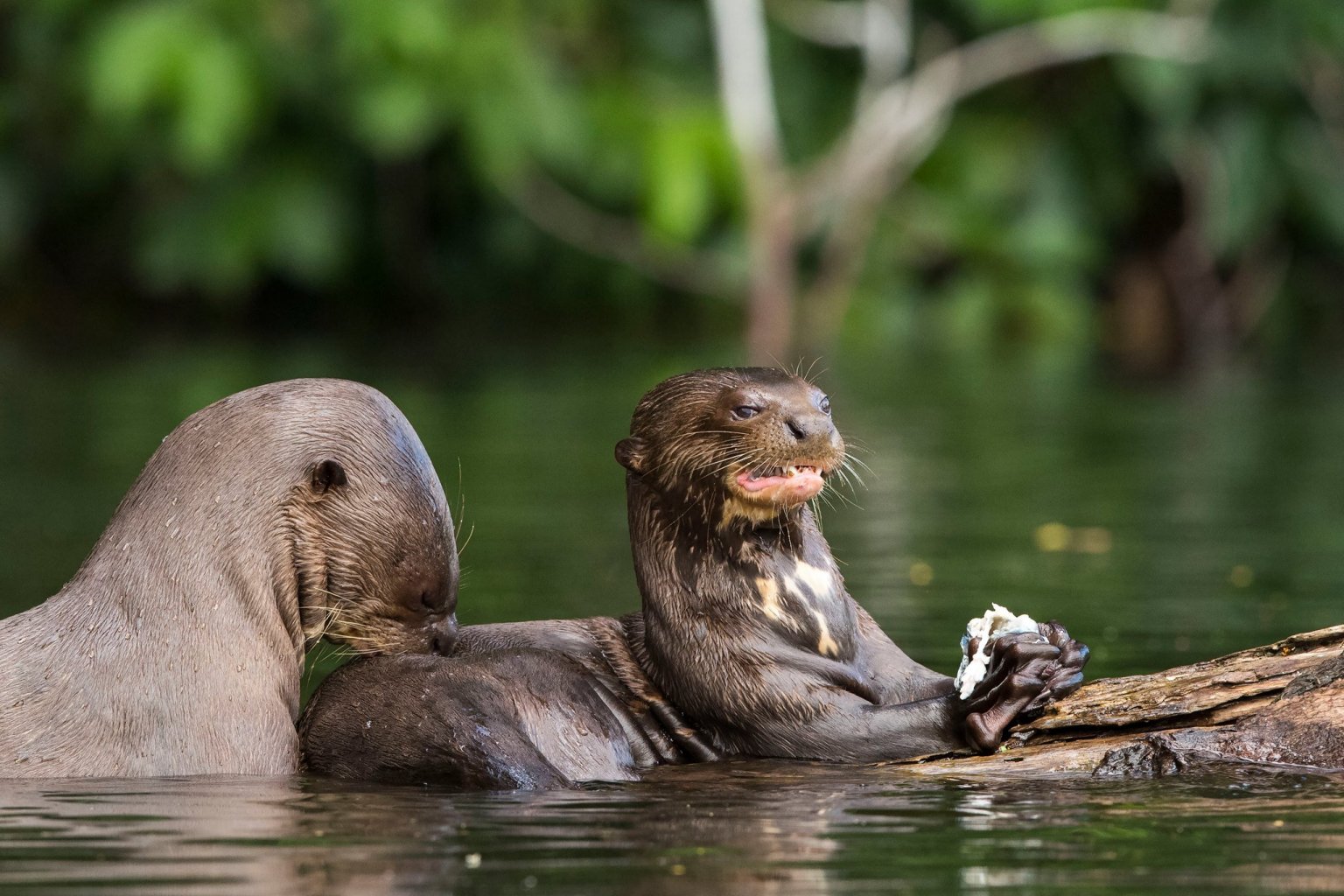
- Giant River Otters: With lower water levels in the oxbow lakes, otter families are easier to spot as they hunt and play in concentrated areas.
- Mammal Tracking: Animals are forced to congregate around remaining water sources, making sightings of tapirs, capybaras, and deer more frequent.
Pros and Cons
Pros:
- Optimal weather for hiking and photography
- Maximum wildlife visibility at clay licks and water sources
- Easier road and trail conditions
Cons:
- Peak tourist season (lodges book up fast)
- Higher prices for flights and tours
- Cooler mornings in the Andes require warm layers
The Wet Season (November - April): The Lush Amazon
What to Expect
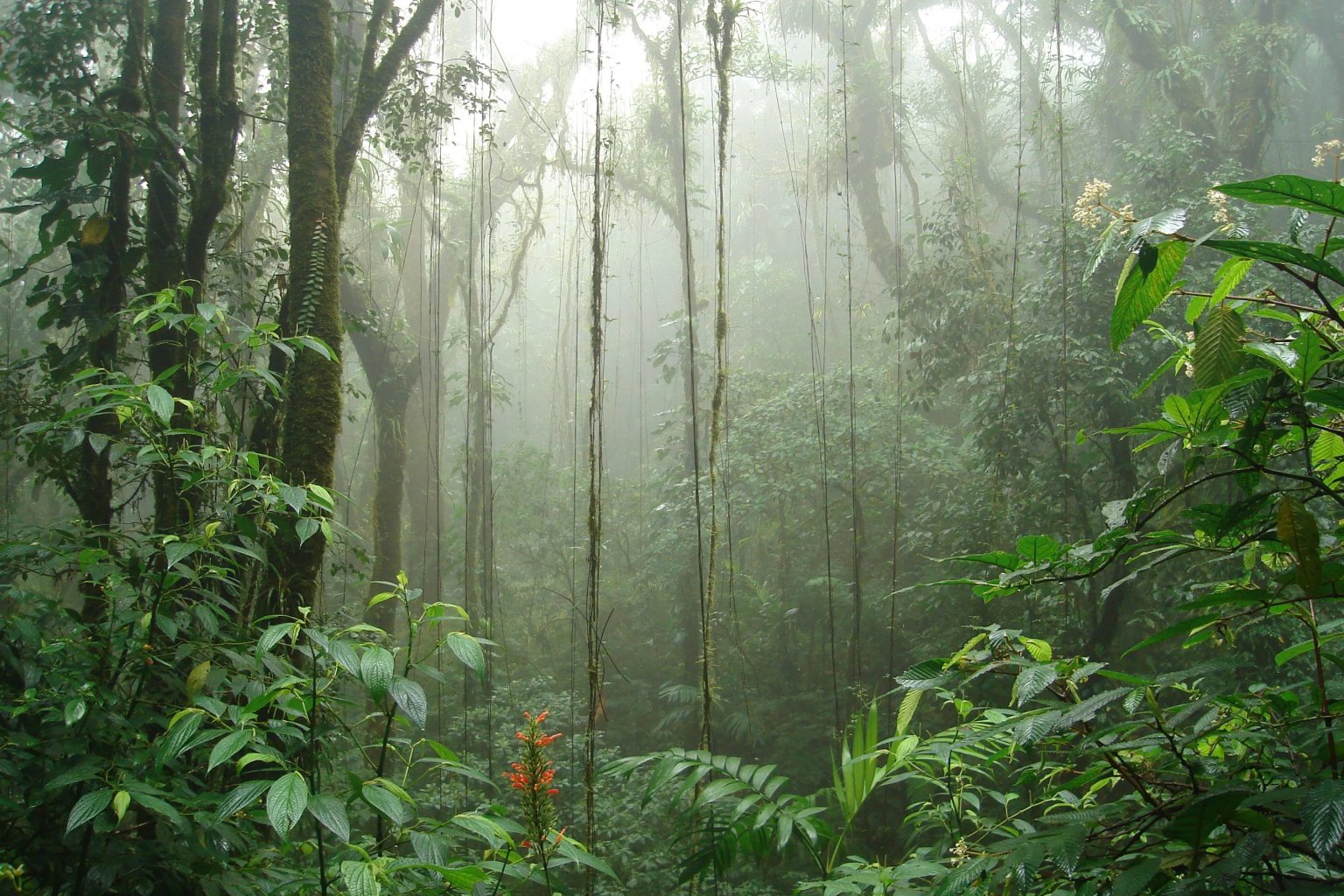
The wet season transforms the Amazon into a vibrant, emerald-green paradise. Expect daily rain showers (often heavy but brief), high humidity, and warm temperatures. The jungle is alive with sound and color.
Wildlife Highlights
- Birding Paradise: This is the breeding season for many Amazonian birds. Plumage is at its most vibrant, and migratory birds from the Northern Hemisphere are present. It's a phenomenal time for our 7-Day Manu Biosphere Reserve Birding Tour.
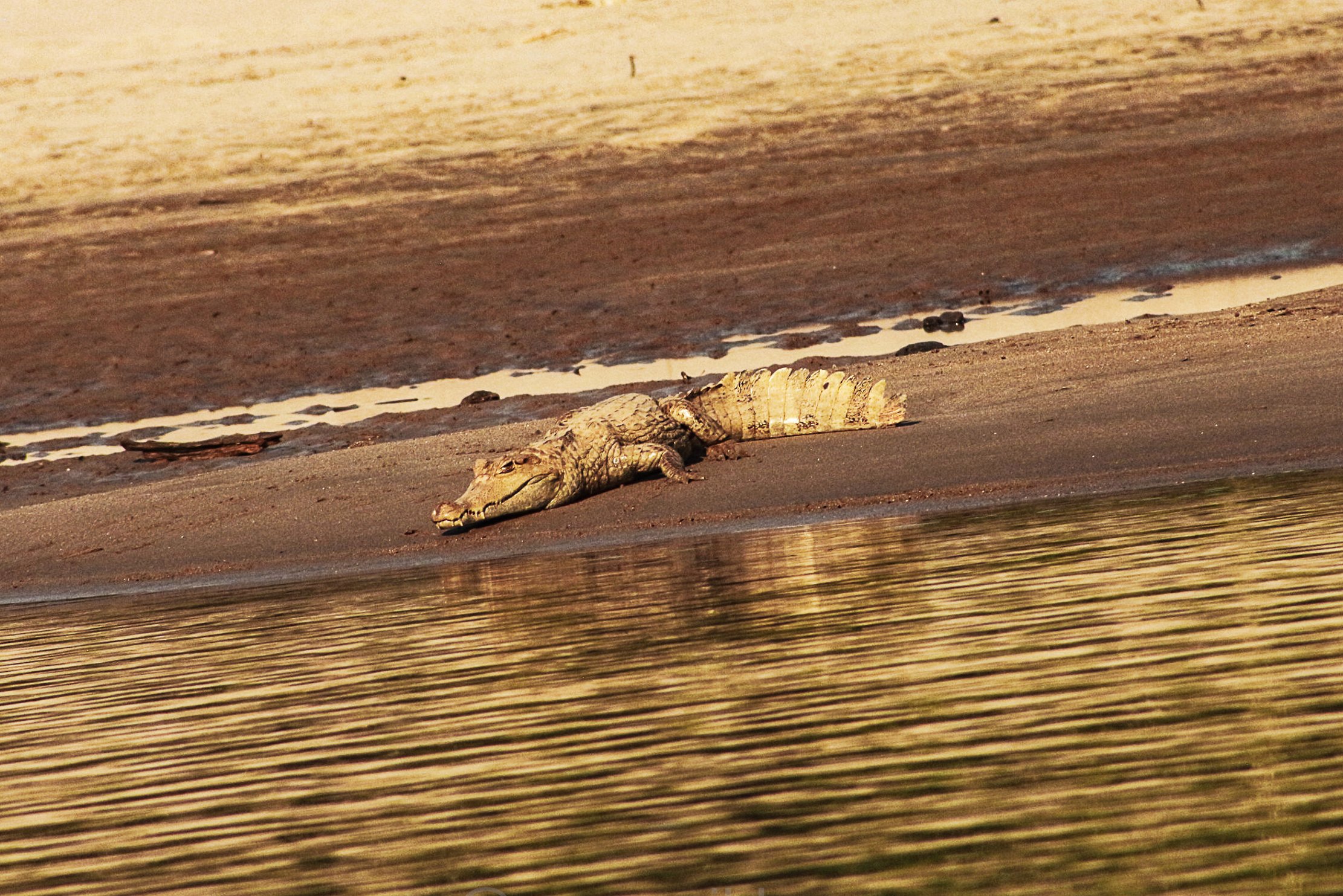
- Reptiles and Amphibians: Frogs, toads, and caimans are highly active. Night walks yield incredible sightings of tree frogs and nocturnal species.
- Flooded Forests (Igapó): Higher river levels allow boats to navigate into flooded forest areas, offering a unique perspective and access to different wildlife.
Pros and Cons
Pros:
- Fewer tourists and a more exclusive, intimate experience
- Spectacular, lush green landscapes for photography
- Often lower prices and better availability
- Unmatched birding and amphibian activity
Cons:
- Frequent rain requires good rain gear
- Trails can be muddy and challenging
- Some remote areas may be temporarily inaccessible due to high water
Month-by-Month Wildlife Calendar
Not sure which month to choose? Here's what you can expect throughout the year:
- January - February: Peak wet season. Lush landscapes, high bird activity, frequent rain. Best for dedicated birders and those seeking solitude.
- March - April: Transition period. Rain begins to decrease, rivers start to recede, and wildlife becomes more active near water sources.
- May - June: Start of the dry season. Excellent weather, clay licks become highly active, and trails dry out. A fantastic all-around time to visit.
- July - August: Peak dry season. Coolest temperatures, clearest skies, and maximum wildlife gatherings at clay licks and oxbow lakes. Book well in advance.
- September - October: Late dry season. Still excellent wildlife viewing, though temperatures begin to rise. A great balance of good weather and slightly fewer crowds.
- November - December: Transition to wet season. Occasional heavy rains return, but the jungle is bursting with new growth and breeding activity.
Best Time for Specific Travel Goals
For Wildlife Photography
Best Time: June to September.
The dry season offers clearer skies, better lighting, and predictable wildlife behavior at clay licks. Check out our 5-Day Manu Photography Tour for specialized photo opportunities.
For Hardcore Bird Watchers
Best Time: November to April (Wet Season) OR May to June (Transition).
While birding is great year-round, the wet season brings migratory species and breeding plumage. However, the transition months offer a perfect balance of active birds and manageable weather.
For Budget Travelers
Best Time: January to March.
The wet season sees a drop in tourist numbers, which sometimes translates to better deals on flights and tour packages. Just be prepared for rain!
For First-Time Amazon Visitors
Best Time: May to October.
The dry season provides the most comfortable introduction to the jungle, with easier trails, reliable wildlife sightings, and fewer weather-related disruptions.
Essential Tips Regardless of When You Visit
- Pack Layers: Temperatures can range from 10°C (50°F) in the cloud forest to 35°C (95°F) in the lowland jungle, even in a single day.
- Book in Advance: Especially for the dry season (July-August) and for tours to the Manu Reserved Zone, which require government permits with limited daily quotas.
- Prepare for Rain: Even in the dry season, a sudden downpour is possible. A good rain jacket and waterproof bag are mandatory year-round.
- Trust Your Guide: Our expert local guides know the jungle intimately and will adapt the itinerary to maximize wildlife sightings based on daily conditions.
Frequently Asked Questions (FAQ)
Does it rain every day in the Amazon?
During the wet season, yes, daily rain is common (usually in the afternoon or evening). During the dry season, rain is less frequent and often brief. However, the jungle is a rainforest, so being prepared for rain at any time is essential.
Are mosquitoes worse during the wet season?
Mosquitoes are present year-round in the Amazon. While standing water increases during the wet season, the constant rain can actually wash away some breeding grounds. Regardless of the season, high-quality DEET or picaridin insect repellent and long-sleeved clothing are your best defenses.
Can I see jaguars in Manu National Park?
Jaguars are incredibly elusive, and sightings are never guaranteed. However, your chances are highest during the dry season (July-September) when they are more likely to visit clay licks and riverbanks to hunt or drink.
Is the road to Manu safe during the rainy season?
Yes. While the road can be muddy and bumpy, our experienced drivers and well-maintained 4x4 vehicles are specifically equipped for jungle conditions. We monitor weather and road conditions daily to ensure your safety.
What is the warmest month in Manu?
October and November are typically the warmest months, with lowland temperatures frequently reaching 32-35°C (90-95°F). Hydration and sun protection are crucial during this time.
Ready to Experience the Magic of Manu?
There is no "bad" time to visit Manu National Park. Whether you choose the wildlife-rich dry season or the vibrant, bird-filled wet season, the Amazon will leave you in awe.
At Manu Wild, we operate year-round and tailor our expeditions to highlight the best of each season. Let our expert guides show you the wonders of the Peruvian Amazon.
Explore Our Year-Round Manu Tours →
Have questions about the best time to travel or need help planning your itinerary? Contact our team → and we'll help you choose the perfect dates for your adventure.