
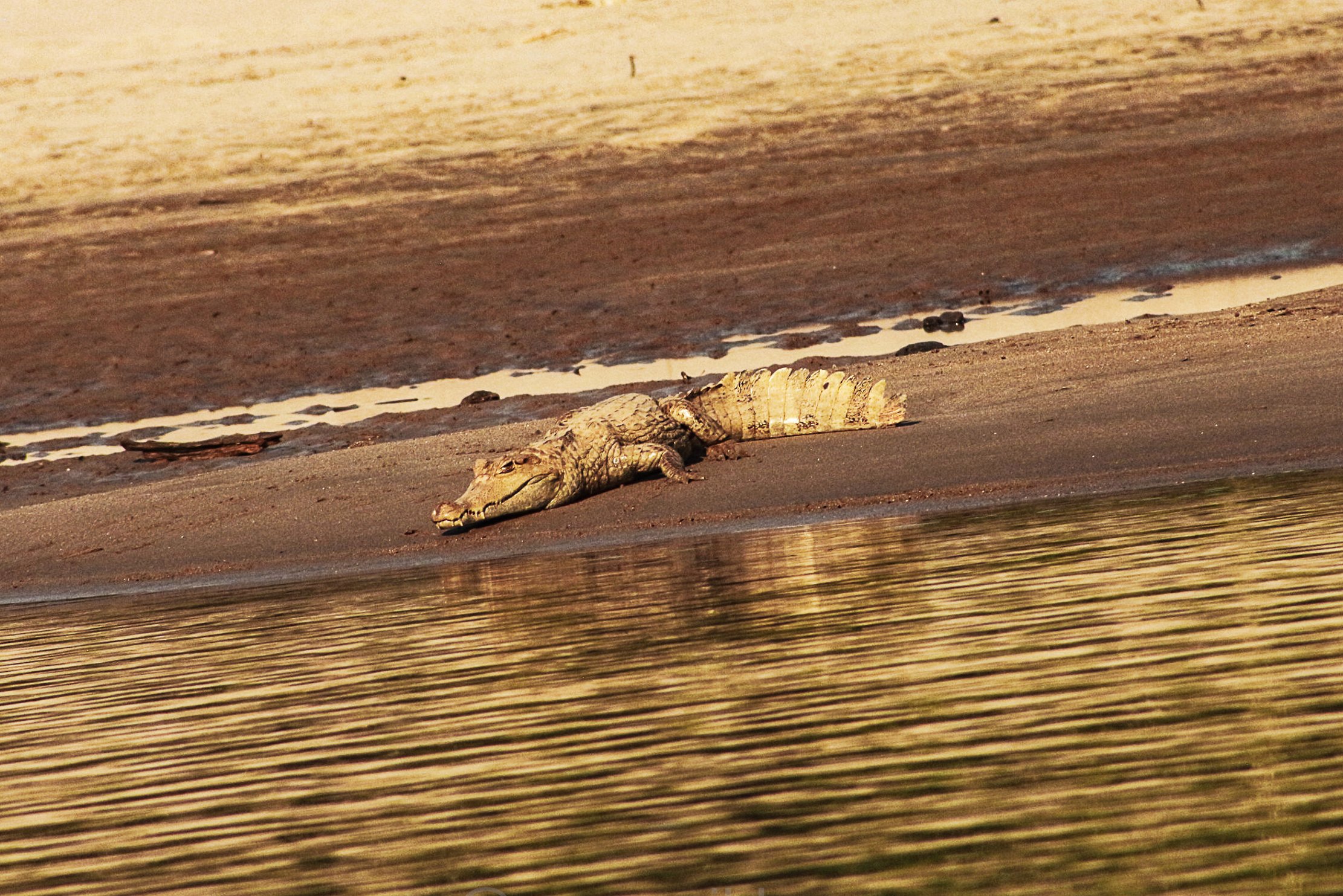
The Amazon rainforest is the lungs of our planet, a place of unimaginable beauty and critical ecological importance. But it is also fragile. As travelers, we have a choice: we can be mere consumers of a destination, or we can be active participants in its preservation.
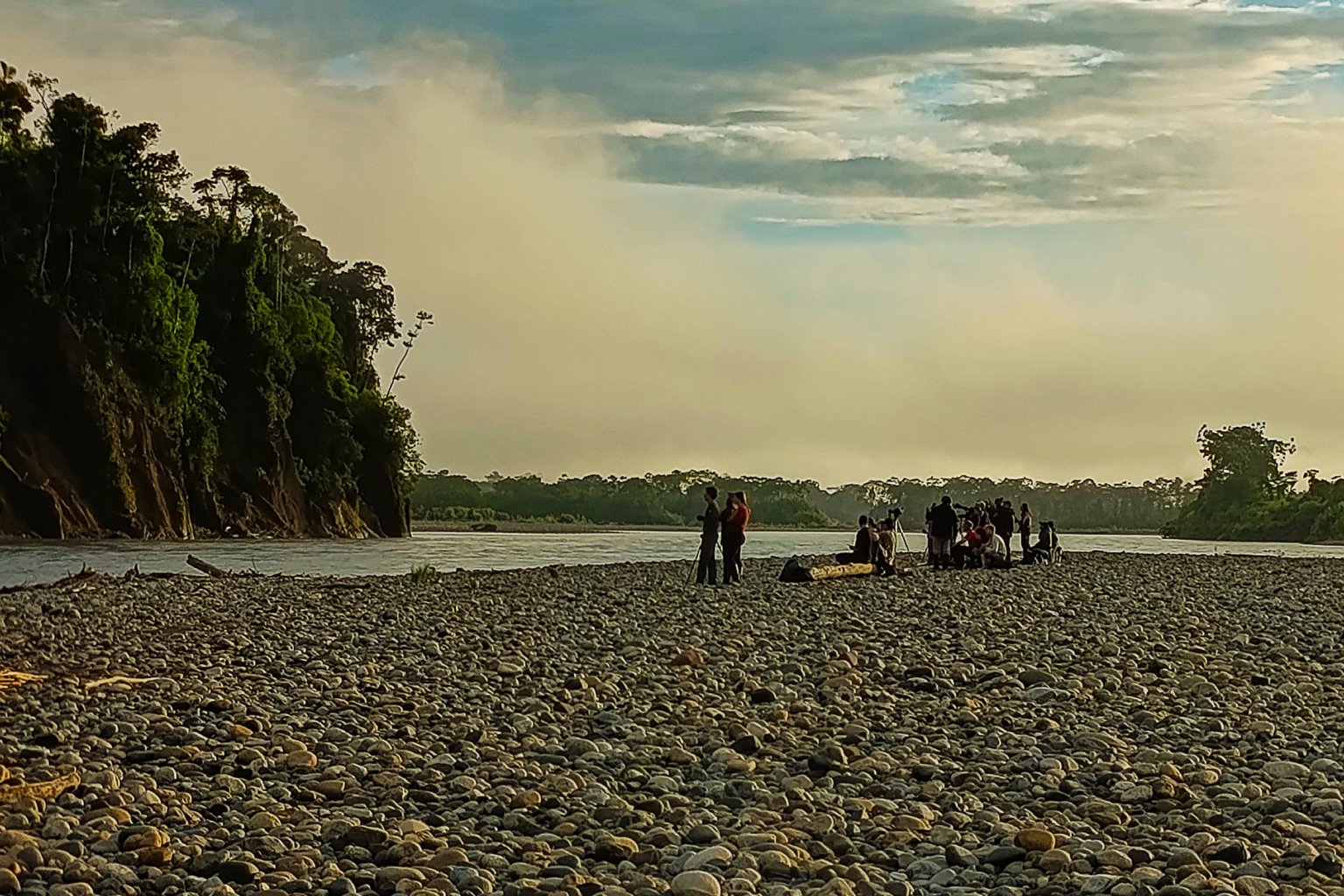
At Manu Wild, we believe that sustainable tourism in Manu National Park is not just a buzzword; it is a vital tool for conservation. When done right, your visit to the Amazon directly funds the protection of the rainforest, empowers local indigenous communities, and proves that standing forests are more valuable than cleared land.
In this guide, we will explore how responsible travel works in the Peruvian Amazon and how your adventure with us creates a lasting, positive impact on one of the most biodiverse ecosystems on Earth.
What is Sustainable Tourism in the Amazon?
Sustainable tourism goes beyond simply "not littering." It is a holistic approach to travel that focuses on three core pillars:
- Environmental Protection: Minimizing the ecological footprint, supporting wildlife conservation, and preserving natural habitats.
- Social & Cultural Respect: Honoring the traditions, rights, and well-being of local and indigenous communities.
- Economic Viability: Ensuring that tourism revenue stays within the local economy, providing fair wages and long-term benefits to the people who call the Amazon home.
How Your Visit Directly Supports Conservation
When you choose an eco-friendly tour operator in Manu, your travel dollars become a powerful force for good. Here is exactly how your trip helps protect the Amazon:
1. Funding Anti-Poaching and Park Protection
Manu National Park is vast and remote, making it difficult to police. Entrance fees and tourism revenue directly fund SERNANP (the Peruvian National Service of Natural Areas) and local park rangers. Your presence helps deter illegal activities like logging, poaching, and illegal mining by showing that the area is actively monitored and valued.
2. Providing a Sustainable Economic Alternative
Historically, the primary economic drivers in the Amazon have been extractive: logging, cattle ranching, and agriculture. These industries destroy the forest. Sustainable tourism provides local communities with a viable, profitable alternative. When a community sees that tourists will pay to see a live jaguar or a healthy forest, they become the forest's fiercest protectors.
3. Supporting Scientific Research
Many eco-lodges and responsible operators in Manu collaborate with biologists and conservationists. Tourism revenue often subsidizes vital research projects, such as tracking giant river otter populations, monitoring macaw clay licks, and cataloging new insect or plant species.
Empowering Local and Indigenous Communities
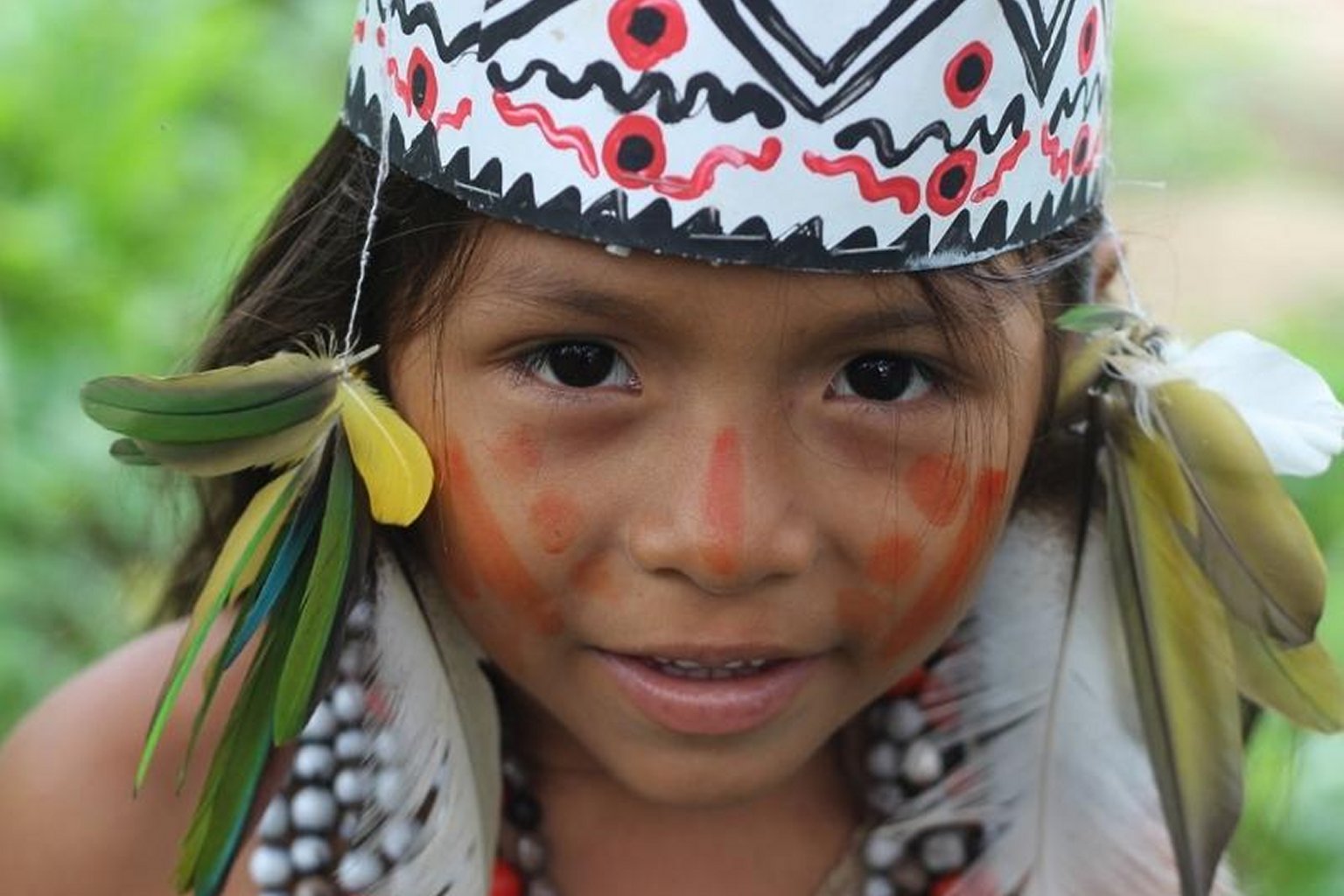
The true guardians of the Amazon are the indigenous peoples who have lived in harmony with the forest for millennia. Responsible tourism in Manu ensures they are the primary beneficiaries of the industry.
Fair Employment and Capacity Building
At Manu Wild, our guides, cooks, and boat captains are predominantly locals from the Cusco and Madre de Dios regions. We provide fair, above-average wages, continuous training in hospitality and wildlife biology, and career growth opportunities. This keeps economic power within the region, rather than leaking to foreign-owned conglomerates.
Cultural Exchange and Preservation
When visiting the Manu Cultural Zone, we facilitate respectful, consensual interactions with native communities (such as the Matsigenka). This is not about treating people like a zoo exhibit; it is about a genuine cultural exchange. Your interest in their traditional knowledge of medicinal plants, hunting techniques, and forest lore helps validate and preserve their cultural heritage for future generations.
How Manu Wild Practices Responsible Travel
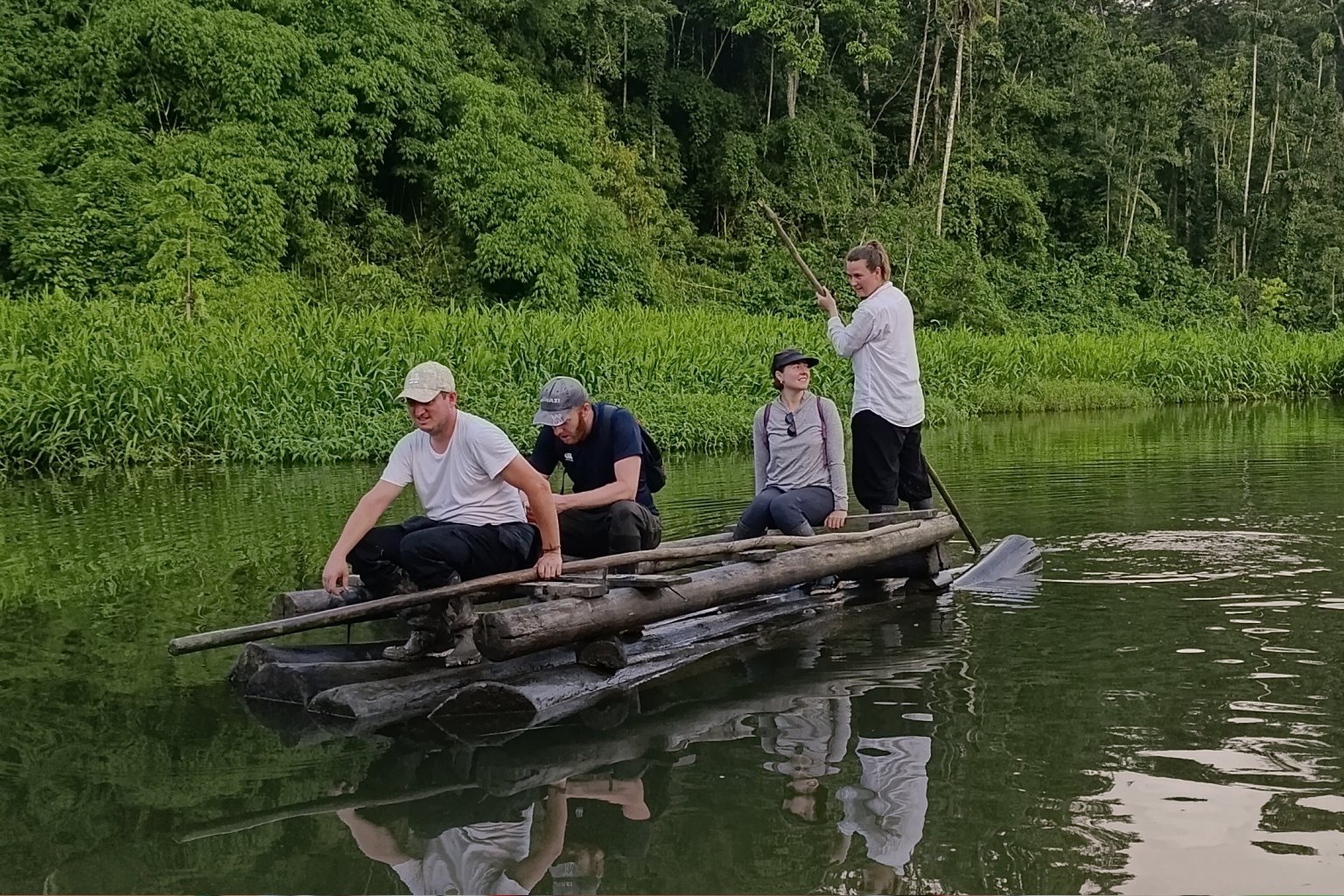
We don't just talk about sustainability; we embed it into every aspect of our operations. If you join our 5-Day Manu Eco-Adventure: Sustainable Amazon Expedition or any of our expeditions, here is what you can expect:
- Small Group Sizes: We limit our group sizes to minimize noise, reduce trail erosion, and prevent stressing the wildlife.
- Strict "Leave No Trace" Principles: We pack out all our trash, use biodegradable soaps, and manage waste meticulously at our lodges.
- No Single-Use Plastics: We provide purified drinking water in large containers and encourage guests to bring reusable bottles, eliminating hundreds of plastic bottles from the jungle.
- Respectful Wildlife Distances: Our guides are rigorously trained to observe animals without altering their natural behavior. We never bait, chase, or harass wildlife for a better photo.
- Sourcing Locally: We buy our fresh produce and supplies from local farmers and markets in Cusco and Pilcopata, supporting the regional agricultural economy.
Tips for Being a Responsible Traveler in the Amazon
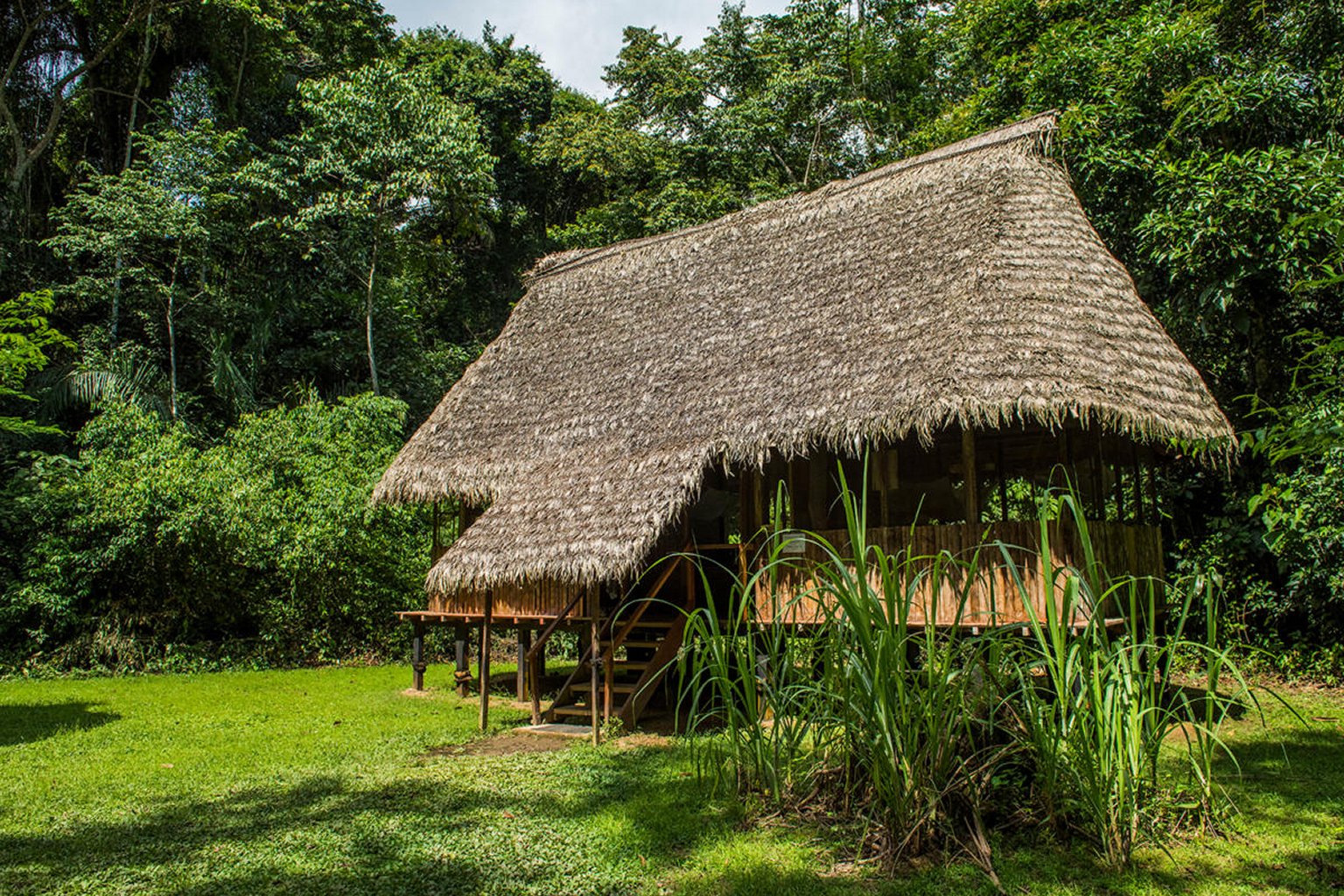
Sustainability is a two-way street. Here is how you can ensure your own footprint is as light as possible during your Manu adventure:
- Choose the Right Operator: Do your research. Ask questions about their waste management, guide training, and community involvement before you book.
- Respect the "No Touch" Rule: Never touch, feed, or attempt to hold wild animals. It can transmit diseases to them and alter their natural survival instincts.
- Buy Authentic Local Crafts: If you purchase souvenirs, buy directly from indigenous artisans. Avoid mass-produced, imported trinkets.
- Ask Before Taking Photos: Always ask for permission before taking photographs of local community members. A smile and a gesture go a long way.
- Stay on the Trails: Venturing off-path damages fragile root systems and destroys the micro-habitats of insects and amphibians.
Frequently Asked Questions (FAQ)
Does eco-tourism in Manu actually make a difference?
Absolutely. Studies have consistently shown that areas with well-managed eco-tourism have significantly lower rates of deforestation and poaching compared to areas without it. Your visit provides the economic justification to keep the forest standing.
How can I offset the carbon footprint of my flight to Peru?
While traveling to the Amazon does generate carbon emissions, you can offset this by purchasing carbon credits through reputable organizations (like Gold Standard or Verified Carbon Standard) that fund reforestation or renewable energy projects. Many eco-lodges in Manu also participate in local tree-planting initiatives.
Is it safe to interact with indigenous communities?
Yes, when facilitated by a responsible, authorized tour operator. We ensure that all interactions are consensual, respectful, and beneficial to the community. We strictly avoid visiting uncontacted tribes or communities that do not wish to receive tourists.
What happens to the waste generated at the jungle lodges?
Reputable eco-lodges have strict waste management protocols. Organic waste is composted, recyclables are transported back to Cusco for proper processing, and non-recyclable trash is minimized and disposed of in certified facilities. Nothing is burned or dumped into the river.
Travel with Purpose: Join Our Next Expedition
Exploring Manu National Park is a privilege. By choosing sustainable tourism, you ensure that the vibrant colors of the macaws, the playful splashes of the giant otters, and the ancient wisdom of the forest communities will endure for centuries to come.
When you travel with Manu Wild, you are not just booking a vacation; you are investing in the future of the Amazon. You are becoming a guardian of the wild.
Explore Our Sustainable Manu Tours →
Want to learn more about our conservation initiatives and community partnerships? Contact our team → and let's plan a trip that makes a difference.