
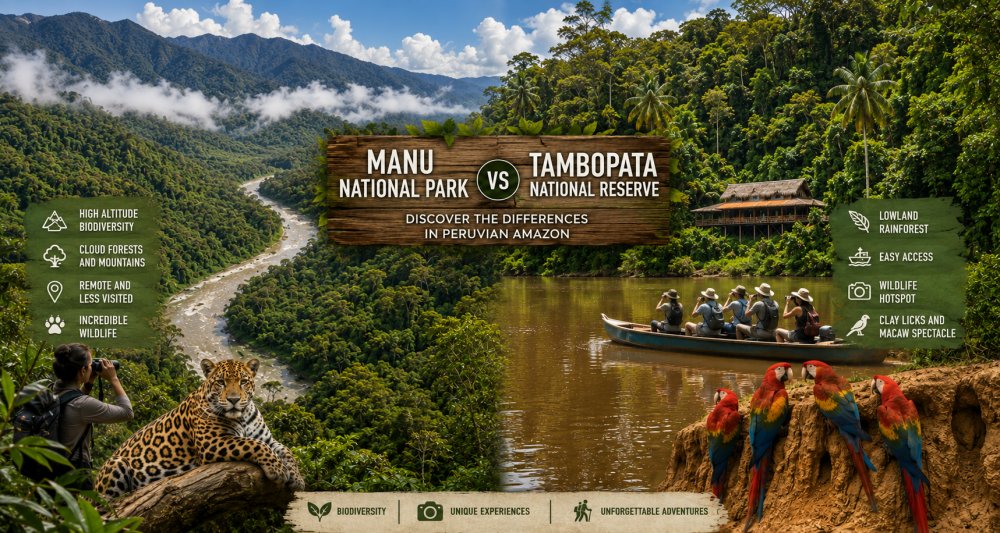
In this comprehensive guide, we'll break down everything you need to know to make the right choice. After reading this, you'll know exactly whether the remote wilderness of Manu or the accessible lodges of Tambopata will give you the Amazon experience of a lifetime.
Quick Comparison: Manu vs. Tambopata at a Glance
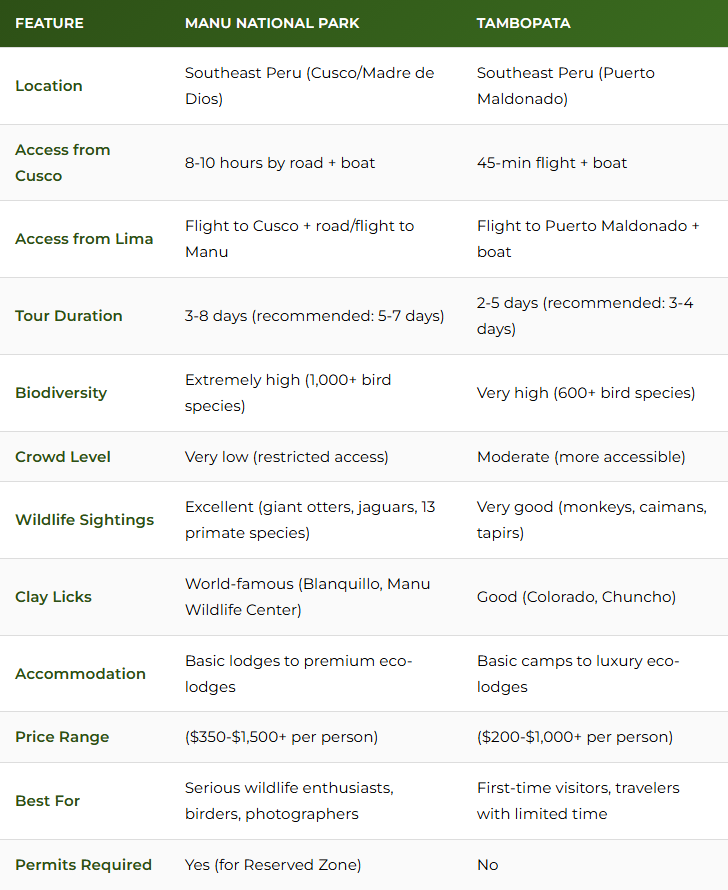
Before we dive deep, here's a quick overview to help you decide:
1. Location & Accessibility: How Do You Get There?
Manu National Park: The Remote Wilderness
Manu National Park is located in southeastern Peru, spanning the regions of Cusco and Madre de Dios. Getting there is part of the adventure.
Access Options:
- Overland from Cusco (8-10 hours): Most tours to the Cultural Zone depart from Cusco. You'll cross the Andes, descending from 3,500m to the Amazon basin. The journey itself is spectacular, passing through cloud forests and offering incredible birding opportunities along the way.
- Flight + Boat: Some tours to the Reserved Zone fly from Cusco to Boca Colorado (a small airstrip in the jungle), then continue by boat. This saves time but costs more.
The Reality: Manu requires more travel time, but the journey is rewarding. You'll experience multiple ecosystems in a single day, from high Andes to lowland Amazon.
Tambopata: The Accessible Amazon
Tambopata is located near Puerto Maldonado, a small city in the Madre de Dios region.
Access Options:
- Flight from Lima or Cusco: A 45-minute flight from Cusco or 1.5-hour flight from Lima gets you to Puerto Maldonado. From there, most lodges are 1-3 hours by boat.
- Overland from Cusco: Possible but not recommended (10+ hours on rough roads).
The Reality: Tambopata is much easier to access, making it ideal for travelers with limited time or those combining their Amazon trip with Machu Picchu.
Winner for Accessibility: Tambopata
Winner for Scenic Journey: Manu
2. Biodiversity & Wildlife: Where Will You See More?
Manu National Park: The Biodiversity Champion
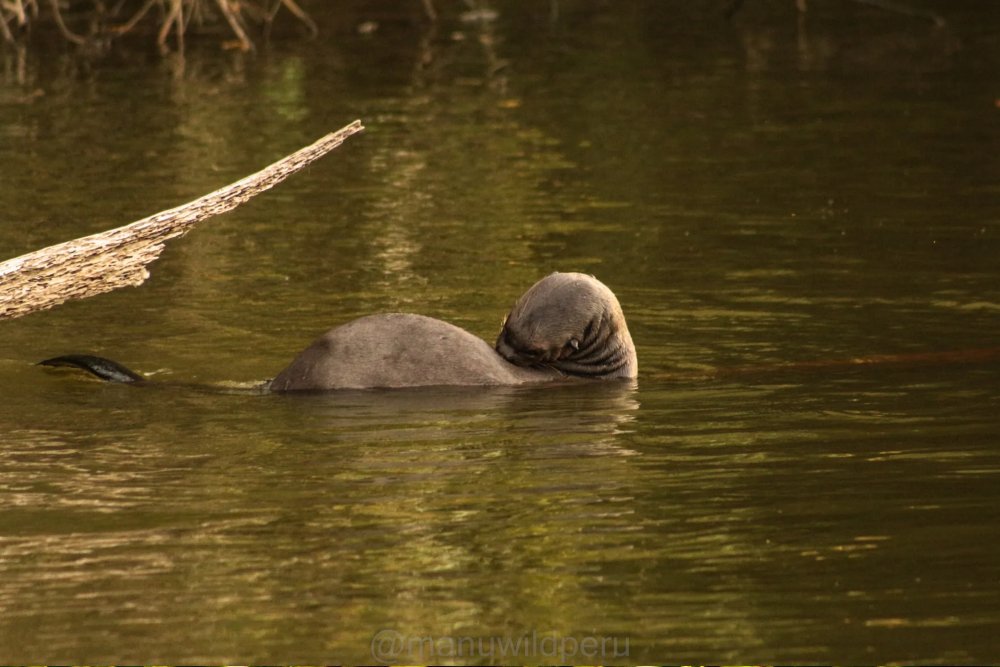
Manu is a UNESCO World Heritage Site and one of the most biodiverse places on Earth. The numbers are staggering:
- Birds: Over 1,000 species (more than the USA and Canada combined)
- Mammals: 200+ species, including 13 primate species
- Plants: 4,385+ identified species
- Insects: Countless (scientists are still discovering new species)
What You'll Likely See:
- Giant river otters (high probability in Reserved Zone)
- Jaguars (possible, especially near clay licks)
- 13 monkey species (howler, spider, capuchin, squirrel monkeys, etc.)
- Tapirs at clay licks
- Scarlet macaws, blue-and-yellow macaws
- Caimans (black and spectacled)
- Capybaras
- Hundreds of bird species, including the Andean cock-of-the-rock, quetzals, and endemic species
The Manu Advantage: Because access is restricted (especially to the Reserved Zone), wildlife is less habituated to humans and more abundant. You'll experience the Amazon as it existed before mass tourism.
Tambopata: Rich Wildlife, More Accessible
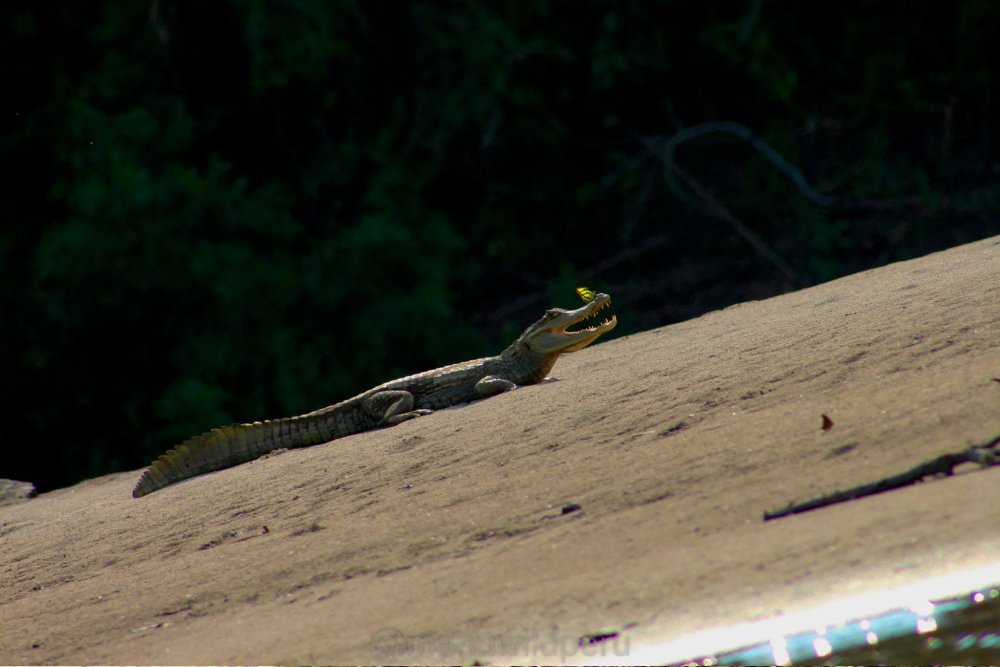
Tambopata is also incredibly biodiverse, though slightly less than Manu:
- Birds: 600+ species
- Mammals: 100+ species
- Plants: 1,000+ tree species
What You'll Likely See:
- Monkeys (howler, spider, capuchin)
- Caimans (very common)
- Tapirs (at clay licks)
- Macaws and parrots
- Capybaras
- Peccaries
- Various bird species
The Tambopata Reality: Wildlife is abundant, but some animals are more habituated to human presence due to higher tourist traffic. You'll still have excellent sightings, but the experience feels slightly less "wild."
Winner for Biodiversity: Manu
Winner for Guaranteed Sightings: Tie (both offer excellent wildlife)
3. Crowd Levels: How Crowded Will It Be?
Manu National Park: Exclusive and Remote
Manu's restricted access keeps crowds to a minimum. The Reserved Zone requires special government permits, and only authorized operators can bring tourists there.
What This Means for You:
- You'll often be the only tour group at a clay lick or oxbow lake
- Trails feel untouched and pristine
- Wildlife encounters feel more authentic and less "staged"
- Perfect for photographers and serious wildlife enthusiasts
The Trade-Off: The exclusivity comes at a higher price and requires more travel time.
Tambopata: Popular but Manageable
Tambopata is more accessible, which means more tourists. Popular lodges and clay licks can see multiple groups in a single day.
What This Means for You:
- You'll share experiences with other tourists
- Some areas can feel busy during peak season (June-August)
- However, the Amazon is vast, and you'll still have plenty of quiet moments
The Trade-Off: Easier access and lower prices, but less exclusivity.
Winner for Exclusivity: Manu
Winner for Convenience: Tambopata
4. Tour Duration: How Much Time Do You Need?
Manu National Park: Longer Tours Recommended
Because Manu is more remote, shorter tours feel rushed. Here's what to expect:
- 3-Day Tour: Only covers the Cultural Zone. Good introduction but limited wildlife.
- 4-5 Day Tour: Covers Cultural Zone or basic Reserved Zone. Good balance of time and cost.
- 6-7 Day Tour: The sweet spot. Covers both Cultural and Reserved Zones, multiple clay licks, oxbow lakes, and deep jungle exploration.
- 8+ Day Tour: Ultimate expedition for serious wildlife enthusiasts and birders.
Our Recommendation: Minimum 5 days, ideally 7 days for the full Manu experience.
Tambopata: Shorter Tours Work Well
Tambopata's accessibility allows for shorter, more focused tours:
- 2-Day Tour: Very basic, covers one lodge and nearby trails.
- 3-4 Day Tour: The sweet spot. Covers clay licks, oxbow lakes, and multiple habitats.
- 5+ Day Tour: Deep exploration, multiple lodges, specialized activities.
Our Recommendation: Minimum 3 days, ideally 4 days for a comprehensive experience.
Winner for Short Trips: Tambopata
Winner for Extended Expeditions: Manu
5. Cost: What's the Price Difference?
Manu National Park: Premium Pricing
Manu tours are generally more expensive due to:
- Longer travel time (more days = more costs)
- Restricted access and permit fees
- Remote locations requiring more logistics
- Smaller group sizes
Price Range (per person):
- 3-Day Cultural Zone: $350-$500
- 5-Day Reserved Zone: $700-$1,000
- 7-Day Comprehensive Tour: $1,000-$1,500+
What's Included: Most tours include transportation from Cusco, all meals, accommodation, guides, and park fees.
Tambopata: Budget-Friendly Options
Tambopata offers more variety in pricing:
Price Range (per person):
- 2-Day Basic Tour: $200-$350
- 3-4 Day Standard Tour: $400-$700
- 5+ Day Luxury Tour: $800-$1,200+
What's Included: Most tours include transportation from Puerto Maldonado, meals, accommodation, and guides.
Winner for Budget Travelers: Tambopata
Winner for Value (Experience per Dollar): Manu (if you can afford it)
6. Accommodation: Where Will You Sleep?
Manu National Park: Basic to Premium
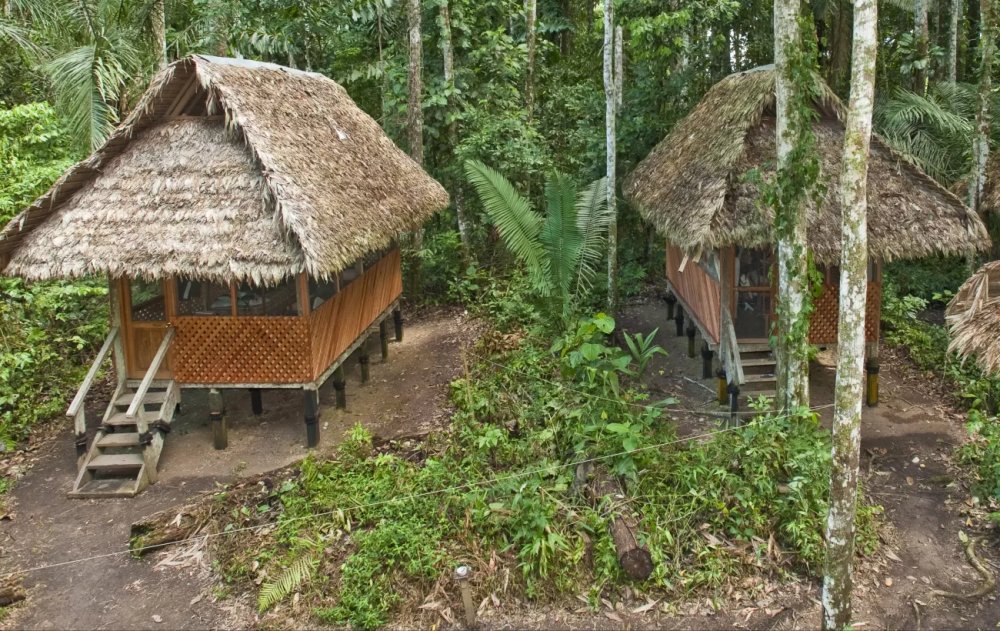
Accommodation in Manu ranges from basic to comfortable:
- Cultural Zone: Eco-lodges with private bathrooms, hot showers, and decent meals.
- Reserved Zone: More basic lodges or camping. Some premium options exist (like Manu Wildlife Center) with private rooms and better amenities.
The Reality: Don't expect luxury. Manu is about the experience, not the amenities. However, most lodges are clean, comfortable, and provide an authentic jungle experience.
Tambopata: Budget to Luxury
Tambopata offers the widest range of accommodation:
- Budget: Basic lodges with shared bathrooms, mosquito nets, simple meals.
- Mid-Range: Comfortable eco-lodges with private bathrooms, hot showers, good food.
- Luxury: High-end eco-lodges with private bungalows, gourmet meals, pools, and premium amenities.
The Reality: If comfort is a priority, Tambopata has more luxury options.
Winner for Luxury: Tambopata
Winner for Authentic Experience: Manu
7. Special Experiences: Clay Licks, Oxbow Lakes, and More
Manu National Park: World-Class Experiences
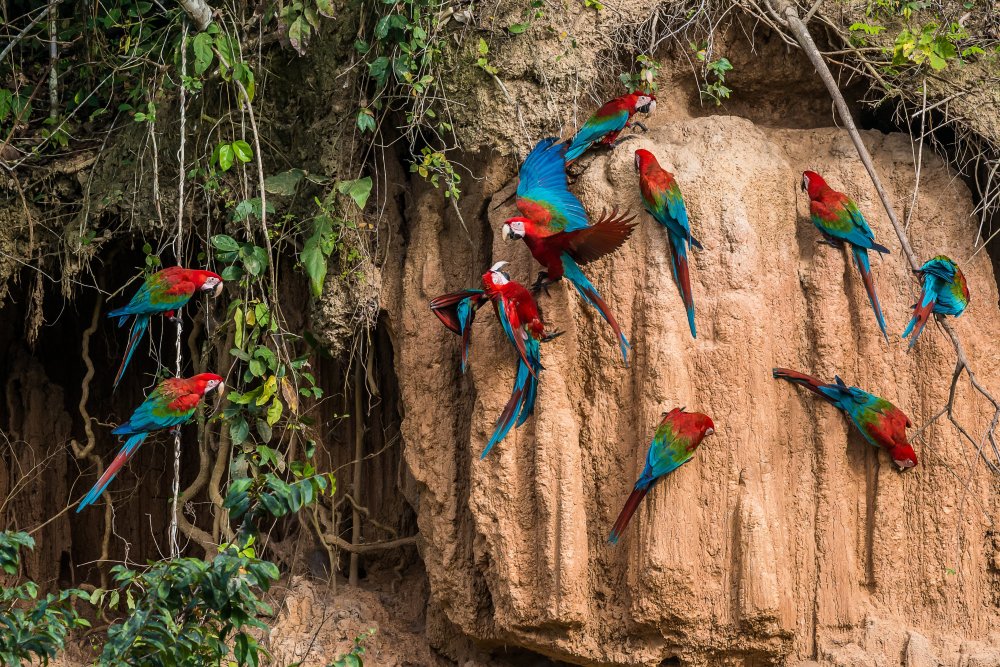
Manu is home to some of the most spectacular wildlife experiences in the Amazon:
Macaw Clay Licks:
- Blanquillo: Famous for its massive clay lick where hundreds of macaws and parrots gather. Includes a canopy tower for panoramic views.
- Manu Wildlife Center: Considered one of the best clay licks in the Amazon, with a premium lodge and excellent viewing platforms.
Oxbow Lakes:
- Home to giant river otter families
- Excellent for birding (hoatzins, anhingas, kingfishers)
- Canoe tours offer intimate wildlife encounters
Canopy Towers:
- Elevated platforms for bird watching and panoramic views
- Unique perspective on the rainforest
Tambopata: Great Experiences, More Accessible
Tambopata also offers excellent wildlife experiences:
Clay Licks:
- Colorado Clay Lick: Large and active, good for macaw sightings.
- Chuncho Clay Lick: Smaller but reliable.
Oxbow Lakes:
- Good for caiman spotting and monkey watching
- Canoe tours available
Canopy Walkways:
- Some lodges offer suspended bridges and platforms
- Good for bird watching and unique perspectives
Winner for Unique Experiences: Manu (especially Blanquillo and Manu Wildlife Center)
Winner for Variety: Tie
8. Birding: Which is Better for Bird Watchers?
Manu National Park: The World's Premier Birding Destination

If you're a birder, Manu is non-negotiable. With over 1,000 bird species, it's one of the most diverse birding locations on Earth.
Highlights:
- Manu Road: Legendary birding route with 500+ species recorded
- Cloud Forest: Andean cock-of-the-rock, quetzals, tanagers
- Lowland Amazon: Macaws, parrots, raptors, riverine species
- Endemic Species: Many species found only in this region
Best Tours for Birders:
Tambopata: Good Birding, But Not World-Class
Tambopata offers solid birding with 600+ species, but it doesn't match Manu's diversity.
Highlights:
- Clay licks attract macaws and parrots
- Oxbow lakes offer waterbird sightings
- Forest trails provide opportunities for forest species
Best Tours for Birders:
- Standard 3-4 day tours cover the basics
- Specialized birding tours available but less comprehensive than Manu
Winner for Birding: Manu (by a landslide)
9. Photography: Which Destination Offers Better Photo Opportunities?
Manu National Park: A Photographer's Paradise
Manu offers unparalleled photo opportunities:
Advantages:
- Less crowded = more time to set up shots
- Wildlife is less habituated = more natural behavior
- Diverse habitats = variety of backdrops
- Clay licks offer spectacular macaw photography
- Cloud forest provides misty, atmospheric shots
Best Tours for Photographers:
Tambopata: Good Opportunities, More Competition
Tambopata offers decent photography, but you'll compete with other tourists for the best angles.
Advantages:
- More accessible = easier to get equipment in and out
- Luxury lodges offer comfortable bases for photographers
- Clay licks are good but can be crowded
Best Tours for Photographers:
- Standard tours work, but specialized photography tours are less common
Winner for Photography: Manu
10. Which Should You Choose? The Final Verdict
Choose Manu National Park If:
- ✅ You're a serious wildlife enthusiast or birder
- ✅ You want the most pristine, untouched Amazon experience
- ✅ You have at least 5-7 days for your trip
- ✅ You're willing to pay more for exclusivity
- ✅ You're a photographer looking for unique shots
- ✅ You want to experience the world's most biodiverse place
- ✅ You don't mind basic accommodation in exchange for authentic experiences
Recommended Tours:
- 6-Day Manu Reserved Zone Tour (Best overall)
- 7-Day Ultimate Manu Reserved Zone Expedition (For serious explorers)
- 7-Day Manu Biosphere Reserve Birding Tour (For birders)
Choose Tambopata If:
- ✅ You have limited time (2-4 days)
- ✅ You're on a tighter budget
- ✅ You're combining your trip with Machu Picchu
- ✅ You prefer more comfortable accommodation
- ✅ You're a first-time Amazon visitor
- ✅ You want easier logistics and accessibility
- ✅ You don't mind sharing experiences with other tourists
Recommended Tours:
- Look for 3-4 day tours from Puerto Maldonado
- Consider luxury lodge options if budget allows
Frequently Asked Questions (FAQ)
Can I visit both Manu and Tambopata on the same trip?
Technically yes, but it's not recommended. Both destinations require significant travel time, and trying to do both would mean rushing through each. Choose the one that best fits your travel style and available time.
Is Manu National Park safe?
Yes, Manu is very safe for tourists. All tours are led by expert guides who are trained in wilderness first aid. The main safety concerns are typical jungle hazards (insects, sun exposure, slippery trails), which your guide will help you navigate.
Do I need a yellow fever vaccination for Manu?
Yes, a yellow fever vaccination is mandatory for entering the Manu Reserved Zone. For the Cultural Zone, it's highly recommended. Make sure to get vaccinated at least 10 days before your trip.
What's the best time of year to visit Manu or Tambopata?
Both destinations are year-round, but the dry season (May-October) is generally preferred. Trails are less muddy, wildlife is more active near water sources, and access is easier. The wet season (November-April) offers lush landscapes and fewer tourists, but some areas may be harder to access.
Can I see jaguars in Manu or Tambopata?
Jaguars are elusive and sightings are never guaranteed in either destination. However, Manu's Reserved Zone offers the best chance due to its pristine habitat and lower human presence. The clay licks in Manu are known jaguar hunting grounds.
Ready to Book Your Amazon Adventure?
Whether you choose the remote wilderness of Manu or the accessible lodges of Tambopata, you're in for an unforgettable Amazon experience. Both destinations offer incredible wildlife, stunning landscapes, and the chance to connect with one of Earth's most important ecosystems.
If you've decided on Manu National Park (and we hope you have!), we're here to make your dream trip a reality. Our expert local guides, sustainable practices, and deep knowledge of the region ensure you'll have the Amazon experience of a lifetime.
Explore Our Manu National Park Tours →
Have questions? Need help choosing the right tour? Contact our team → and we'll help you plan the perfect Amazon adventure.